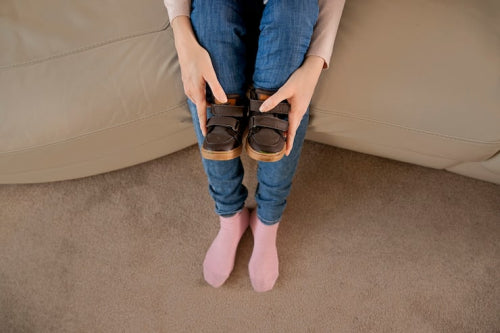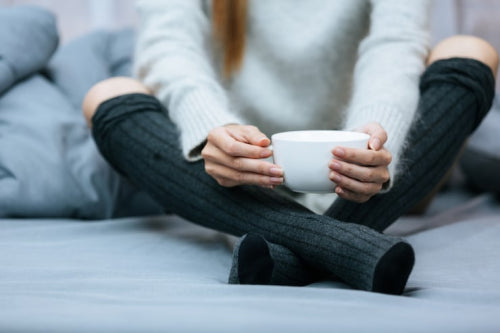

Have you ever stripped off your socks at day's end, only to confront stinging red marks, persistent clamminess, or an emerging blister that demands attention? We often point fingers at ill-chosen shoes, excessive walking, or sheer misfortune. Yet the true offender frequently lurks unnoticed: your socks. Far from mere cloth, they serve as the primary shield for your skin, blood flow, and comprehensive foot hygiene. A misstep in selection invites complications that extend well past fleeting unease.
Tired of socks that fade fast, slip down, or feel rough after a few wears? It's frustrating when your everyday essentials can't keep up leaving you adjusting, sweating, or ditching them altogether. Soxytoes solves this with thoughtfully engineered socks made from premium yarns, seamless toes, arch support, and moisture-wicking comfort. From bamboo-soft basics to bold, pop-culture-inspired designs for men, women, and kids, every pair blends lasting quality with personality because your socks should feel as good as they look, all day long. Shop Now!
The Overlooked Consequences of Improper Sock Fit
Ill-suited socks rarely make a dramatic entrance. They emerge subtly a faint crease at the heel, a cramped toe, a cuff that subtly shifts and gathers. These slight flaws escalate rapidly, though. Friction intensifies at points of improper contact: heels endure constant scraping, toe sides chafe, and the foot's ball bears undue pressure. Soon, irritated areas evolve into sore spots, culminating in blisters those swollen, liquid-packed signals of dermal distress.
Socks that hang loosely prove particularly insidious. They fold and clump, forming zones of erratic motion that abrade without mercy. Overly snug varieties fare no better, compressing digits, constricting the arch, and impeding circulation, which fosters sore points that throb before hardening into calluses or fissures. Gradually, these troubles accumulate. Your walking pattern adjusts instinctively to evade pain, imposing added stress on ankles, knees, and even hips. Thickened calluses form, corns arise, and the humid, pressurized setting under duress cultivates ideal conditions for fungal infections like athlete's foot.
What originates as mere sock discomfort can insidiously undermine foot wellness, transforming each stride into a compromise with irritation. Experts in podiatry and avid trekkers observe this cycle frequently: suboptimal fit not only sparks instant aggravation but also reshapes foot mechanics over extended periods. Epidermal integrity suffers, dampness lingers, and pathogens flourish. This progression, while gradual, remains eminently avoidable through mindful selection of how socks conform.
Beyond blisters and calluses, poor fit exacerbates risks tied to prolonged exposure in damp environments. Historical precedents, such as the infamous trench foot condition from World War I, highlight how saturated footwear led to severe outcomes, including limb loss. Modern awareness emphasizes prevention: always carry spare socks and ensure proper shoe sizing to mitigate such threats in cold, wet scenarios.
Achieving the Ideal Sock Fit for Optimal Comfort
What constitutes an exemplary sock fit? Envision it as a subtle extension of your skin firm yet non-restrictive, enveloping contours with ease. The heel section must secure firmly, avoiding any droop or slide. Toes require ample space for natural expansion, unhindered by compression or surplus material prone to folding and irritation. Arch support should be mild and uplifting, never intrusive, while the cuff maintains uniform hold, resisting descent or imprinting welts on the leg.
Evaluate the sock's performance in action, beyond static posture. Stroll, bend your feet, mimic routine activities. An effective sock synchronizes with your motions, opposing none. Fabric composition plays a pivotal role here. Contemporary options, including merino wool, specialized synthetics for moisture transfer, or bamboo derivatives, vastly surpass traditional cotton. The latter absorbs perspiration readily but retains it against the epidermis, heightening friction amid humidity. In contrast, wicking variants transport sweat outward, preserving dryness and moderation in temperature. They minimize dermal softening that invites ruptures and diminish habitats conducive to microbial proliferation.
Empirical evidence from athletic and outdoor pursuits corroborates this starkly. Comparative trials reveal cotton-wearers experiencing nearly double the blister incidence and more severe cases compared to those in acrylic or synthetic alternatives. Damp settings amplified blister hazards twofold in certain analyses, affirming moisture control as indispensable rather than optional. Dry feet equate to reduced abrasion, preserved skin, and enhanced hygiene, as infection-prone milieus dissipate.
Furthermore, integrating insights from market trends underscores the shift toward functional socks. The worldwide socks market, valued at USD 49.48 billion in 2025, anticipates expansion to USD 73.83 billion by 2033 at a 5.2% CAGR. Lifestyle variants dominate with 60.16% revenue share, mid-calf lengths lead in preference, and cotton remains prominent materially, though evolving consumer demands favor advanced options. Asia Pacific commands 38.46% of the market, with men's segments holding the largest end-use share.
The Superiority of Moisture-Wicking Materials
Addressing cotton head-on against innovative counterparts reveals clear disparities. Cotton's plush, accustomed texture belies its hydrophilic nature it avidly binds water. As perspiration accumulates, it sustains a moist footbed, rendering it slick within footwear. This saturation weakens skin, elevates frictional forces, and converts routine steps into blister catalysts. Elevated temperatures from exertion only heighten vulnerabilities.
Moisture-wicking socks reverse this dynamic. Fabrics such as merino wool, which inherently moderates heat and combats scents, tailored synthetics, or bamboo composites propel sweat externally for vaporization. Feet remain arid, thermal equilibrium holds, and abrasion minimizes. Investigations indicate wet socks nearly doubling blister probabilities versus dry states, irrespective of precise composition at times yet wicking textiles facilitate dryness more readily. Merino mixtures frequently excel in comfort assessments, appearing less muggy than unadulterated synthetics during direct comparisons.
This extends past mere blister aversion. Arid feet curtail maceration the pallid, creased appearance from extended wetness curb fungal ingress, and temper bacterial expansion fueling odors or ailments. Effective dampness regulation bolsters general foot hygiene by fortifying the cutaneous shield and equilibrating the microbial community. Such routine decisions yield disproportionate benefits, particularly for individuals enduring prolonged standing, be it on trails, urban pavements, or occupational posts.
Naturally, no fabric proves infallible. Fit predominates, and superior wicking cannot redeem a misaligned or binding sock. Yet pairing deliberate sizing with astute selections yields tangible enhancements: feet sustain vitality extendedly, epidermis endures robustly, and persistent woes recede.
Specialized variants like compression socks offer additional advantages, applying calibrated pressure along legs to aid circulation. These are commonplace yet underappreciated, endorsed by medical entities for varied applications, though non-endorsement of specific brands maintains objectivity.
Understanding the Microbial World in Your Socks
Your feet represent microbial epicenters. Interdigital zones abound with sweat-producing glands, and enclosing them in socks and shoes creates a steamy, enclosed haven perfect for proliferation. Indeed, feet might harbor a compact ecosystem of bacteria and fungi, hosting 100 to 10 million cells per square centimeter of skin. They accommodate up to 1,000 fungal varieties per individual surpassing any bodily region rendering them not merely odorous but profoundly diverse. Consequently, socks transform into fertile territories for these entities.
This microbial abundance ties directly to hygiene practices. Neglecting sock changes or opting for non-breathable types fosters environments where pathogens thrive, escalating risks of conditions like tinea pedis. Daily foot cleansing, coupled with appropriate, hygienic footwear, mitigates these, as advised by health authorities. Protective, well-fitted socks form part of broader preventive strategies against ailments including diabetes-related complications or parasitic intrusions like hookworm.
Certifications from bodies such as the American Podiatric Medical Association guide consumers toward vetted products, encompassing socks alongside insoles and footwear for men, women, and children, ensuring standards in support and hygiene.
Advancing Toward Superior Foot Wellness
Ultimately, socks transcend accessory status they act as silent sentinels of foot hygiene. Disregard them, and repercussions manifest in blisters, infections, and gait modifications cascading bodily. Honor them through informed choices, and reap enduring ease across distances. When next selecting a pair, reflect: Does it align seamlessly? Does it promote dryness and contentment? Affirmative responses could revolutionize your foot sensations henceforth.
Sound feet operate unobtrusively, propelling you onward sans fanfare until disruptions arise. Equip them aptly, and they reciprocate with tranquility the ultimate accolade.
Frequently Asked Questions
Can wearing the wrong socks cause blisters and foot problems?
Yes, ill-fitting socks are a major cause of foot problems including blisters, calluses, and even altered gait patterns. Socks that are too loose create friction through bunching and sliding, while overly tight socks compress toes and restrict circulation. Over time, these issues can lead to skin breakdown, fungal infections like athlete's foot, and stress on ankles, knees, and hips as you compensate for discomfort.
Why are moisture-wicking socks better than cotton for foot hygiene?
Moisture-wicking materials like merino wool, specialized synthetics, and bamboo fibers transport sweat away from your skin for evaporation, keeping feet dry and reducing friction. Cotton absorbs moisture but retains it against your skin, creating a damp environment that weakens the skin barrier and nearly doubles blister risk. Dry feet experience less maceration, fewer fungal infections, and reduced bacterial growth that causes odor and other foot ailments.
How does proper sock fit affect overall foot health?
A properly fitted sock should feel like a natural extension of your skin snug but not restrictive, with the heel pocket secure, toes having room to move freely, and the cuff staying in place without leaving marks. Good fit minimizes friction points that cause blisters and calluses, supports healthy circulation, and works with moisture-wicking fabrics to maintain an environment that discourages the bacteria and fungi naturally present on feet. This combination of proper fit and material choice prevents common foot problems and preserves skin integrity during daily activities.
Disclaimer: The above helpful resources content contains personal opinions and experiences. The information provided is for general knowledge and does not constitute professional advice.
You may also be interested in: The Rise of Grip Socks in Yoga and Pilates - soxytoes
Tired of socks that fade fast, slip down, or feel rough after a few wears? It's frustrating when your everyday essentials can't keep up leaving you adjusting, sweating, or ditching them altogether. Soxytoes solves this with thoughtfully engineered socks made from premium yarns, seamless toes, arch support, and moisture-wicking comfort. From bamboo-soft basics to bold, pop-culture-inspired designs for men, women, and kids, every pair blends lasting quality with personality because your socks should feel as good as they look, all day long. Shop Now!
Powered by flareAI.co