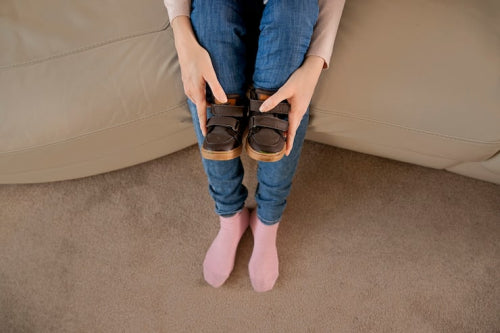

In the humid bustle of India's major cities from the monsoon-soaked streets of Mumbai and Kolkata to the concrete corridors of Bengaluru, Pune, and Hyderabad your feet carry you through long commutes, crowded offices, and endless errands. Yet the simple choice of socks you make each morning can quietly determine whether those feet finish the day comfortable or inflamed, fresh or foul-smelling. Podiatrists and dermatologists in New Delhi, Gurugram, and Noida report a steady stream of preventable complaints: persistent itching, burning soles, blisters, and stubborn fungal infections. Many trace directly back to everyday sock habits that seem harmless until the consequences accumulate.
Tired of socks that fade fast, slip down, or feel rough after a few wears? It's frustrating when your everyday essentials can't keep up leaving you adjusting, sweating, or ditching them altogether. Soxytoes solves this with thoughtfully engineered socks made from premium yarns, seamless toes, arch support, and moisture-wicking comfort. From bamboo-soft basics to bold, pop-culture-inspired designs for men, women, and kids, every pair blends lasting quality with personality because your socks should feel as good as they look, all day long. Shop Now!
Why Socks Matter More Than Most People Realize
Feet are remarkably resilient, but they face constant stress in urban India. Hours of standing in air-conditioned malls or walking between metro stations, combined with high humidity and sudden downpours, create ideal conditions for trouble. Fungi that cause athlete's foot (tinea pedis) thrive in exactly these warm, dark, moist environments. The infection often begins between the toes, spreads across the sole, and refuses to leave without deliberate intervention. Health authorities emphasize that consistent foot hygiene daily washing, thorough drying, regular sock changes, and breathable materials forms the most effective prevention.
A striking older case still illustrates the point vividly: a 17-year-old athlete endured months of intense itching and burning at the heels and toes, accompanied by an odor so strong it resembled rotting fish. He avoided removing his shoes except to wash his feet, gaining only temporary relief. The condition, pitted keratolysis, was driven by bacteria flourishing under persistently occlusive socks and shoes. Similar patterns appear today in city clinics whenever moisture stays trapped against the skin for too long.
How Sock Preferences Are Evolving Across Indian Metros
The global socks market reached an estimated USD 49.48 billion in 2025 and is forecast to grow to USD 73.83 billion by 2033, expanding at a 5.2% CAGR from 2026 onward, according to industry analysis. Asia Pacific held the largest regional share at 38.46% in 2025. Within that landscape, lifestyle socks dominated product revenue with 60.16%, mid-calf lengths led by length category, cotton remained the preferred material, and men's usage accounted for the biggest end-use segment.
Indian urban consumers mirror and accelerate several of these trends. Professionals in Gurugram, Hyderabad, and Noida increasingly choose synthetic blends for their sleek look and perceived durability, while shoppers in fitness-oriented Bengaluru and startup-heavy Pune show rising interest in moisture-wicking and orthopedic options. Cotton still enjoys strong loyalty across cities, yet the gradual shift toward performance fabrics reflects growing awareness that socks do far more than cover feet they actively influence skin health and daily comfort.
The Most Frequent Sock Mistakes and What They Trigger
Fit remains the single biggest source of trouble. Socks that squeeze too tightly restrict blood flow and compress nerves, while oversized pairs wrinkle and rub, creating hot spots that quickly become blisters or thickened calluses. In high-pressure workplaces across Mumbai and New Delhi, where people remain on their feet for eight, ten, or twelve hours, these micro-injuries build silently.
Fabric selection ranks a close second. Many modern synthetics, chosen for color or stretch, hold sweat against the skin rather than moving it away. Dermatologists consistently recommend breathable natural fibers or specially engineered quick-dry synthetics to reduce the risk of fungal overgrowth. Yet convenience often wins: people grab the nearest pair, wear it several days running, or skip changes after a sweaty commute or workout habits that turn socks into breeding grounds for bacteria and fungi.
- Wearing the same socks multiple consecutive days allows bacteria and moisture to accumulate rapidly.
- Using one standard style regardless of foot condition dryness, diabetes risk, flat feet, or high arches ignores individual vulnerabilities.
- Neglecting to change after getting wet from rain or perspiration keeps skin in a damp state far longer than necessary.
Clinic Stories That Reveal the Pattern
Real-world examples repeat across metros. A Bengaluru IT professional battled persistent scaling and itching after months of athletic socks that trapped sweat during long desk hours and evening runs; switching to moisture-wicking styles and meticulous drying between toes resolved the issue quickly. In Gurugram corporate towers, dermatologists regularly treat office workers whose formal shoes combine with thin, non-breathable socks to produce painful blisters and raw patches. Pune hospitals have documented increased bacterial and fungal presentations among young commuters who rarely alternate footwear or prioritize dry feet.
Even in Kolkata's persistently humid neighborhoods, patients arrive describing chronic low-grade odor and discomfort linked to infrequent sock rotation and inadequate ventilation. These accounts are not outliers; they reflect the collision between dense urban routines, erratic weather, and sock choices that have not kept pace.
The Compounding Dangers of Inattention
When sock-related problems are ignored, consequences grow. Athlete's foot spreads readily in shared changing rooms, office washrooms, and households, becoming more stubborn the longer it persists. Monsoon months bring sharp increases in fungal complaints across coastal and inland cities alike, as wet feet remain damp for extended periods.
Repeated friction from poorly fitted or bunching socks erodes protective skin layers, raising the chance of secondary infections. For the millions living with diabetes or circulatory challenges in urban India, even minor abrasions can evolve into slow-healing ulcers. Preventable factors moisture management, proper fit, daily hygiene lie at the heart of many of these escalating complaints.
Practical Steps Already Gaining Traction
Fortunately, solutions are straightforward and increasingly accessible. Demand for diabetic-friendly socks, graduated compression styles that support circulation, and advanced moisture-managing fabrics continues to climb in New Delhi, Mumbai, Bengaluru, and beyond. Local manufacturers and emerging brands experiment with anti-microbial treatments and breathable constructions designed specifically for humid Indian conditions.
Expert guidance remains refreshingly direct: select cotton-rich or purpose-built wicking blends, change socks at the first sign of dampness (daily at minimum), allow shoes to dry completely between uses, wash feet thoroughly, and dry carefully especially between the toes. Small, consistent adjustments deliver outsized relief in cities where foot care often ranks low on daily priority lists.
One Quiet Decision That Echoes All Day
Socks rarely headline conversations about health, yet they quietly shape how feet and therefore how people move through crowded, demanding urban days. In India's fastest-growing metros the evidence is consistent: thoughtful choices in fit, material, and freshness prevent irritation from becoming infection, discomfort from becoming chronic limitation. The facts are verified, the patterns clear, the fixes within easy reach. Next time you open the drawer, consider reaching for the pair that works with your feet instead of against them. Your soles have a long road ahead; treat them accordingly.
Frequently Asked Questions
What are the most common sock mistakes that can damage foot health?
The most common sock mistakes include wearing the same pair for multiple consecutive days, choosing poorly fitting socks that are either too tight or too loose, and selecting non-breathable fabrics that trap sweat against the skin. These habits create warm, moist environments that promote bacterial and fungal growth, leading to conditions like athlete's foot, blisters, and pitted keratolysis. Neglecting to change socks after rain exposure or a sweaty commute further compounds the risk.
What type of socks are best for preventing fungal infections and foot odor in humid climates?
Dermatologists recommend cotton-rich socks or specially engineered moisture-wicking synthetics, as these fabrics help move sweat away from the skin rather than trapping it. In humid climates like those in Mumbai, Kolkata, or coastal Indian cities, breathable materials significantly reduce the risk of fungal infections such as athlete's foot (tinea pedis). Anti-microbial treated socks and diabetic-friendly styles are also increasingly available and worth considering for added protection.
How often should you change your socks to maintain good foot hygiene?
You should change your socks at least once daily, and immediately after they become damp from sweat, rain, or physical activity. Wearing the same pair for multiple days allows bacteria and moisture to accumulate rapidly, turning socks into a breeding ground for infection. Pairing regular sock changes with thorough foot washing, careful drying between the toes, and allowing shoes to fully air out between uses offers the most effective protection against common foot complaints.
Disclaimer: The above helpful resources content contains personal opinions and experiences. The information provided is for general knowledge and does not constitute professional advice.
You may also be interested in: Nine Common Mistakes That You Must Avoid While Wearing Socks
Tired of socks that fade fast, slip down, or feel rough after a few wears? It's frustrating when your everyday essentials can't keep up leaving you adjusting, sweating, or ditching them altogether. Soxytoes solves this with thoughtfully engineered socks made from premium yarns, seamless toes, arch support, and moisture-wicking comfort. From bamboo-soft basics to bold, pop-culture-inspired designs for men, women, and kids, every pair blends lasting quality with personality because your socks should feel as good as they look, all day long. Shop Now!
Powered by flareAI.co