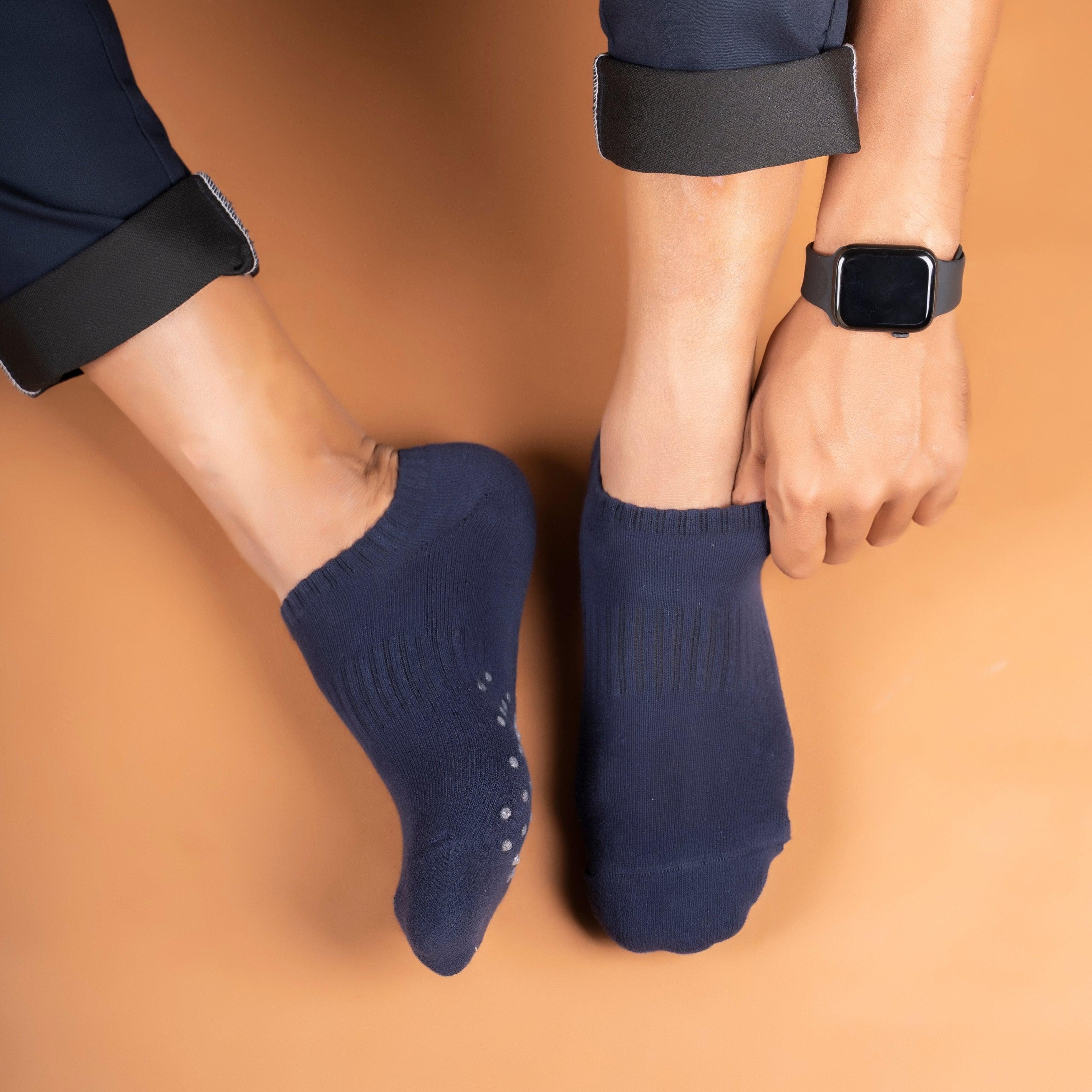

If your socks smell bad, you’re not the only one dealing with it.
It’s one of those problems people don’t talk about much, but almost everyone experiences at some point. You wear a fresh pair in the morning, everything feels fine, and by the end of the day, things are… not great.
Most people assume it’s just sweat. It’s not that simple - the issue usually runs deeper. And until you fix the root cause, switching socks won’t really solve it.
Why Do Socks Smell So Bad?
Before fixing the problem, it helps to understand what’s actually causing it.
The smell doesn’t come from sweat alone. Sweat itself is mostly odorless. The real issue is bacteria.

Your feet have a high number of sweat glands. When sweat gets trapped inside socks and shoes, it creates a warm, damp environment. That’s exactly what bacteria thrive on.
As bacteria break down sweat, they release odor. That’s the smell you notice.
And if the same conditions repeat every day, the smell keeps coming back.
Common Reasons Your Socks Smell
There’s usually more than one factor involved.
1. Wearing the Same Socks for Too Long
Socks lose effectiveness after extended wear. Sweat builds up, and once bacteria settle in, the smell develops faster.
2. Poor Fabric Choice
Some materials trap moisture instead of releasing it.
Low-quality synthetic fabrics can make things worse by holding onto sweat, creating the perfect environment for odor.
On the other hand fabrics like bamboo or anti-microbial treated fabrics control odour.
(You can understand this better in our guide on cotton vs bamboo vs synthetic socks)

3. Shoes That Don’t Breathe
Your socks don’t exist in isolation.
If your shoes don’t allow airflow, moisture gets trapped.
4. Not Washing Socks Properly
Quick washes or low-quality detergents don’t always remove bacteria completely. The smell might fade temporarily but returns after the next wear.
5. Reusing Slightly Damp Socks
This is more common than people realize.
Wearing socks that aren’t fully dry creates instant moisture buildup, which leads to faster odor development.
How to Fix Smelly Socks (The Right Way)
Now that the cause is clear, the fix becomes easier.
1. Choose Breathable Materials
Go for socks that allow airflow and manage moisture properly.
-
Cotton socks because they are breathable
-
Bamboo socks because they are breathable, moisture-wicking and naturally anti-microbial. They keep your feed dry and destroy odour-causing bacteria
-
Good quality moisture-wicking fabrics - mainly used for activewear - best if they are anti-microbial treated (usually by addition of silver or copper)
(For a deeper breakdown, check best socks for men in India)
2. Don’t Overuse the Same Pairs
Rotating your socks matters more than most people think.
Ideally, you should have enough pairs to avoid wearing the same ones repeatedly without proper washing.
3. Wash Socks Properly
A quick rinse isn’t enough.
-
Use proper detergent
-
Wash in warm water when possible
-
Dry completely before wearing
4. Let Your Shoes Breathe
-
Air out your shoes after use
-
Avoid wearing the same pair daily
-
Use shoe dryers if needed
5. Use the Right Socks for the Right Situation
Using one type of sock for everything usually leads to problems.
-
Daily wear - cotton or bamboo socks
-
Gym wear - cotton or bamboo socks, or moisture-wicking activewear socks

-
Long hours - bamboo socks or anti-microbial treated socks are best for long hours
(This is explained in detail in types of socks you should know before buying)
Quick Fixes That Actually Help
If you need immediate improvement then change your socks. It is recommended to keep an extra pair handy for long outings.
This doesn’t replace the long-term solution, but helps reduce odor quickly.
Common Mistakes to Avoid
-
Wearing socks multiple times without washing
-
Choosing socks based only on price - cheaper socks are usually not breathable
-
Ignoring fabric quality - bamboo or anti-bacterial fabrics are best
-
Not drying socks completely
-
Using the same shoes every day
These habits usually make the problem worse over time.
FAQs
Why do my socks smell even after washing them?
Bacteria can remain in the fabric if socks aren’t washed or dried properly. Low-temperature washes and damp drying often cause odor to return quickly.
Which socks are best for sweaty feet in India?
Breathable and moisture-wicking socks work best, especially bamboo or activewear performance fabrics. Avoid low-quality synthetic fabrics that trap sweat.
How many pairs of socks should a man own?
Around 7 to 10 pairs are ideal for proper rotation. This helps maintain hygiene and prevents overuse of the same socks.
Can wearing the same shoes cause sock odor?
Yes, shoes trap moisture and bacteria. Wearing the same pair daily without airing them out can transfer odor back to clean socks.
Do expensive socks smell less than cheap socks?
Better-quality socks usually manage moisture more effectively and/or are anti-microbial, which helps reduce odor. Cheaper socks tend to trap sweat and lose shape faster.
How often should you change socks in a day?
Once a day is enough for most people, but in hot or active conditions, changing twice a day helps reduce odor and discomfort.
Can foot powder or deodorant help with smelly socks?
Yes, they help control moisture and reduce odor temporarily. However, they don’t fix the root cause if habits remain the same.
Why do my socks start smelling within a few hours?
This usually happens due to excessive sweating, poor fabric, or bacteria buildup in shoes. Switching to better materials can help.
Are cotton socks good for preventing odor?
Cotton is breathable but absorbs sweat, which can lead to odor over time. Bamboo socks or anti-microbial treated socks perform better for longer wear.
How do you remove odor from socks permanently?
Use proper washing, dry socks completely, rotate pairs, and choose breathable materials. Consistency in these habits usually solves the problem.
Wrapping Up:
Smelly socks are not just about sweat. They’re usually the result of moisture, bacteria, and repeated habits that don’t get corrected.
The good part is, once you fix the basics — material, rotation, washing, and airflow — the problem usually goes away.
And when it does, it’s one less thing you have to think about every day.