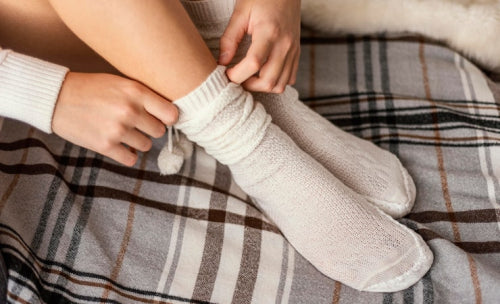

Picture this: you pull on a fresh pair of socks straight from the drawer, and they feel impossibly soft, like they've been worn and washed a dozen times already. No itchiness, no stiffness just instant comfort that hugs your feet without compromise. This isn't some futuristic fabric wizardry; it's the result of bio-washed cotton, a game-changer in the world of everyday essentials. As consumers grow more discerning about what touches their skin, this innovative treatment is quietly revolutionizing socks, blending supreme softness with remarkable resilience.
In an era where comfort reigns supreme, bio-washed cotton stands out as the material of choice for high-quality socks. This process involves treating cotton fibers with natural enzymes to eliminate surface fuzz and imperfections, resulting in a smoother, more pliable fabric right from the start. Unlike traditional methods that rely on harsh chemicals or mechanical abrasion, bio-washing uses biodegradable enzymes derived from natural sources, making it an environmentally conscious option that aligns with growing sustainability demands.
The appeal lies in its ability to deliver that coveted "broken-in" feel without the wait. Conventional cotton socks often start out rough, prone to pilling and irritation during initial wears. Bio-washing addresses this by gently dissolving protruding fibers, enhancing the fabric's hand feel and reducing friction against the skin. This not only boosts immediate comfort but also extends the sock's lifespan, as the treated material resists wear and tear more effectively in high-impact areas like heels and toes.
Experts in textile engineering emphasize that this enzyme-based finishing preserves the natural breathability of cotton while improving moisture management. Feet can swell by up to 5% during the day due to activity and heat, and bio-washed cotton adapts seamlessly, wicking away sweat to keep skin dry and prevent blisters. When paired with strategic reinforcements, these socks maintain their shape through countless laundry cycles, outlasting untreated alternatives.
Beyond individual benefits, the rise of bio-washed cotton reflects broader shifts in consumer behavior. People increasingly seek products that combine luxury with longevity, especially in apparel that endures daily rigors. This preference dovetails with the expanding global socks market, valued at USD 49.48 billion in 2025 and projected to reach USD 73.83 billion by 2033, growing at a compound annual rate of 5.2% from 2026 onward. Driving this expansion are evolving lifestyles and fashion trends, with a notable emphasis on health, fitness, and premium fabrics that prioritize foot wellness.
Regionally, Asia Pacific commands the largest share at 38.46% in 2025, fueled by robust manufacturing and rising disposable incomes. North America follows with 21.05%, where consumers favor innovative, skin-friendly options. Within segments, lifestyle socks dominate with 60.16% revenue, while cotton materials hold 49.09%, underscoring the material's enduring popularity. Men's end-use leads at 55.97%, but women's categories are poised for faster growth at 5.6% CAGR, highlighting a diversifying market.
Another report reinforces this trajectory, noting the socks market at USD 45.62 billion in 2025, expected to climb to USD 56.17 billion by 2031 with a 3.53% CAGR over 2026-2031. Key influences include stringent environmental regulations pushing sustainable practices, consumer demand for performance-driven items, and the boom in online retail. Athletic socks, in particular, show strong momentum at 3.83% CAGR, as health-conscious buyers prioritize functional features like enhanced cushioning and ventilation.
Casual and fashion variants claim 63.88% share, with men's lines at 57.92% and cotton leading materials at 53.86%. Asia-Pacific emerges as both the largest (32.15%) and fastest-growing region at 5.39% CAGR, thanks to digital platforms and eco-focused innovations. The market's fragmented structure allows niche brands to thrive through targeted marketing and direct-to-consumer models, further amplifying the adoption of advanced treatments like bio-washing.
Tired of socks that fade fast, slip down, or feel rough after a few wears? It's frustrating when your everyday essentials can't keep up leaving you adjusting, sweating, or ditching them altogether. Soxytoes solves this with thoughtfully engineered socks made from premium yarns, seamless toes, arch support, and moisture-wicking comfort. From bamboo-soft basics to bold, pop-culture-inspired designs for men, women, and kids, every pair blends lasting quality with personality because your socks should feel as good as they look, all day long. Shop Now!
The Science Behind Bio-Washing: Softness Without Sacrifice
Delving deeper, bio-washing employs cellulase enzymes to selectively break down cellulose chains on the cotton's surface. This controlled biodegradation removes loose fibers and pilling precursors, yielding a silkier texture that feels luxurious against the skin. Importantly, it doesn't weaken the core structure, ensuring the fabric retains its strength and elasticity when blended with synthetics.
For socks, this means superior durability in demanding conditions. Friction from shoes and repeated flexing can degrade untreated cotton quickly, but bio-washed versions exhibit reduced abrasion, maintaining integrity longer. Studies in fabric performance indicate that enzyme-treated cotton can withstand 20-30% more wash cycles before showing signs of thinning, a boon for active users.
Comfort extends to temperature regulation. Cotton's natural absorbency handles moisture well, but bio-washing refines the surface for faster evaporation, keeping feet cooler in warm weather and warmer in cold. This adaptability makes it ideal for versatile socks from office wear to athletic pursuits where all-day wearability is crucial.
Integrating elastane, typically 3-8% in premium compositions, amplifies these advantages. Elastane provides stretch that accommodates foot movement without bunching, while bio-washed cotton ensures the blend remains soft and non-restrictive. Zoned compression in arches and cuffs adds support, preventing slippage and enhancing circulation, all while the enzyme finish preserves the plush feel post-stretch.
This hybrid strategy addresses common complaints: socks that sag after hours or irritate sensitive skin. By combining natural enzymes with smart synthetics, manufacturers create products that feel bespoke, catering to diverse needs like hiking, running, or casual strolling.
Eco-Friendly Appeal: Aligning with Sustainable Trends
One compelling reason for bio-washed cotton's preference is its eco-credentials. Unlike chemical softeners that pollute waterways, enzyme washing is biodegradable and uses less water and energy. This resonates in a market increasingly focused on sustainability, where consumers scrutinize production impacts.
Tying into this, the organic cotton market, often the base for bio-washing, stood at USD 2.27 billion in 2025, forecasted to hit USD 50.78 billion by 2034 at a staggering 40.00% CAGR from 2026-2034. Asia Pacific holds 69.70% share, driven by demand for green textiles, while the U.S. segment could reach USD 504.56 million by 2032 amid rising eco-awareness.
Organic cotton grows without synthetic pesticides or fertilizers, fostering soil health and biodiversity. When bio-washed, it amplifies these benefits, offering socks that are kinder to the planet and the wearer. Applications span apparel to packaging, but in socks, its hypoallergenic properties shine, reducing risks for allergy sufferers.
Further insights from another analysis peg the organic cotton market at USD 473.16 million in 2023, projected to USD 919.2 million by 2033 with 6.87% CAGR. Types include long-staple, short-staple, and extra-long-staple varieties, with qualities like Supima/Pima and Giza prized for premium feel. Regions like Asia Pacific lead production, emphasizing natural fertilizers that minimize environmental harm.
This growth underscores why bio-washed organic cotton dominates sock preferences: it delivers on softness, durability, and ethics. As regulations tighten and consumers vote with their wallets, brands adopting these methods gain a competitive edge.
Choosing Quality: Tips for Discerning Buyers
To harness these benefits, look for socks labeled with bio-enzyme or bio-wash processing on cotton blends. Aim for 3-8% elastane for optimal stretch, and seek features like seamless toes and arch support to minimize irritation.
A simple test: stretch the fabric and watch it rebound swiftly a hallmark of preserved resilience. Premium options feature zoned weaves: plush in low-wear areas, reinforced in high-stress zones. Avoid over-compressed designs that restrict blood flow; balanced elasticity ensures comfort all day.
In retail, e-commerce channels grow at 5.5% CAGR, offering easy access to verified products. Check certifications for organic sourcing to guarantee authenticity, and consider mid-calf lengths (45.59% share) for versatile coverage.
Stepping into the Future of Footwear
Ultimately, bio-washed cotton's rise in socks embodies a shift toward mindful consumption where comfort, durability, and sustainability intersect. With markets expanding rapidly and innovations accelerating, this material promises feet a softer, stronger foundation. Whether pounding pavements or lounging at home, opting for bio-washed pairs elevates the mundane to the exceptional. As trends evolve, one thing remains clear: the future of socks is rooted in nature's ingenuity, mile after comfortable mile.
Frequently Asked Questions
What makes bio-washed cotton socks softer than regular cotton socks?
Bio-washed cotton socks are treated with natural cellulase enzymes that gently remove surface fuzz and protruding fibers, creating an instantly soft, "broken-in" feel without harsh chemicals. This enzyme-based process smooths the fabric surface while preserving cotton's natural breathability and moisture-wicking properties. Unlike conventional cotton that starts rough and requires multiple washes to soften, bio-washed cotton delivers luxurious comfort from the first wear.
Are bio-washed cotton socks more durable than untreated cotton socks?
Yes, bio-washed cotton socks typically last 20-30% longer than untreated versions. The bio-washing process removes pilling precursors and loose fibers that cause premature wear, while strengthening the core fabric structure. When blended with 3-8% elastane, these socks resist sagging, maintain their shape through countless wash cycles, and show superior resilience in high-friction areas like heels and toes.
Is bio-washed cotton eco-friendly compared to traditional cotton finishing methods?
Bio-washed cotton is significantly more environmentally sustainable than conventional chemical treatments. The process uses biodegradable enzymes derived from natural sources, requires less water and energy, and doesn't pollute waterways with harsh chemicals. When combined with organic cotton which grows without synthetic pesticides or fertilizers bio-washed socks offer an eco-conscious choice that's kinder to both the planet and sensitive skin.
Disclaimer: The above helpful resources content contains personal opinions and experiences. The information provided is for general knowledge and does not constitute professional advice.
You may also be interested in: Compression Socks for Children – Buy Kid's Support Socks Online
Tired of socks that fade fast, slip down, or feel rough after a few wears? It's frustrating when your everyday essentials can't keep up leaving you adjusting, sweating, or ditching them altogether. Soxytoes solves this with thoughtfully engineered socks made from premium yarns, seamless toes, arch support, and moisture-wicking comfort. From bamboo-soft basics to bold, pop-culture-inspired designs for men, women, and kids, every pair blends lasting quality with personality because your socks should feel as good as they look, all day long. Shop Now!
Powered by flareAI.co