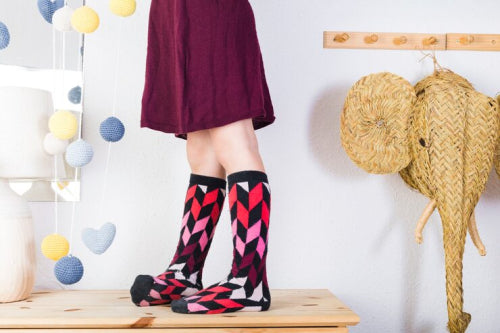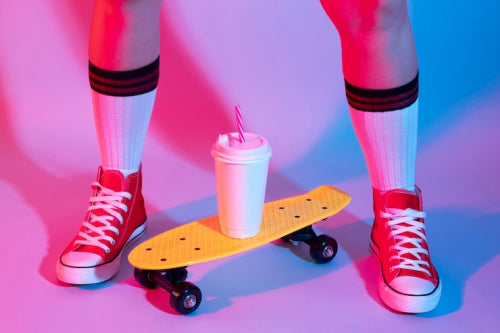

Think about the last time a sock seam dug into your toes after a long walk it starts as a minor annoyance but can escalate into real discomfort. That subtle ridge, a hallmark of conventional socks, has plagued wearers for generations. Now, a straightforward yet transformative innovation is changing that: the seamless toe.
Tired of socks that fade fast, slip down, or feel rough after a few wears? It's frustrating when your everyday essentials can't keep up leaving you adjusting, sweating, or ditching them altogether. Soxytoes solves this with thoughtfully engineered socks made from premium yarns, seamless toes, arch support, and moisture-wicking comfort. From bamboo-soft basics to bold, pop-culture-inspired designs for men, women, and kids, every pair blends lasting quality with personality because your socks should feel as good as they look, all day long. Shop Now!
The Science Behind Seamless Socks: Enhancing Comfort for Every Step
At its essence, the seamless toe eliminates the traditional bulky closure across the toes, creating a smooth, continuous knit instead. This design removes the primary source of friction in socks, allowing toes to move naturally without rubbing or pressure points.
As explained in detail by footwear specialists, seamless toes deliver superior comfort by eradicating irritation, lowering blister risk through reduced chafing, improving overall fit to prevent bunching, and boosting performance during activities where unrestricted movement matters most.
The manufacturing process relies on sophisticated circular knitting machines that form the sock in one piece, avoiding the need for hand-linking or stitched seams.
These advanced systems produce a uniform structure that conforms seamlessly to the foot's contours. The broader socks industry underscores the growing appetite for such innovations. According to comprehensive industry analysis, the global market stands at USD 45.62 billion in 2025, projected to grow to USD 54.76 billion by 2030 at a CAGR of 3.72%. This expansion stems from heightened demand for comfort and functionality, advancements in fabrics, athleisure popularity, sustainable materials, and digital retail growth. Notably, Asia-Pacific emerges as a dominant force, with strong manufacturing bases and increasing consumer spending fueling regional leadership.
A separate report offers a more optimistic outlook, estimating the market at US$55.65 billion in 2025 and forecasting expansion to US$89.9 billion by 2032, reflecting a robust 7.1% CAGR. Drivers here include surging interest in performance-oriented and specialty socks such as athletic, compression, and medical variants alongside sustainability efforts involving recycled fibers and organic cotton, plus widespread e-commerce adoption. Europe currently commands the largest share at 40.2%, led by demand for premium products in countries like Germany, the U.K., France, and Spain, while Asia-Pacific registers the fastest growth.
Why Seamless Design Continues to Gain Momentum
Consumer priorities have shifted decisively toward foot health and all-day comfort, propelling seamless constructions from niche to mainstream. Traditional seams, even when skillfully linked, can create pressure against sensitive skin, especially during prolonged wear or intense movement. Seamless alternatives address this head-on, delivering a friction-free interior that enhances endurance and reduces fatigue.
This benefit proves particularly vital in medical applications. The market for diabetic socks featuring seamless toes reached USD 462 million in 2024 and is on pace to hit USD 802 million by 2033, advancing at a 6.3% CAGR. Escalating diabetes rates worldwide coupled with greater patient awareness of complications like neuropathy, ulcers, and infections drive this segment. Healthcare experts increasingly advocate seamless designs because they eradicate rubbing points that often precipitate blisters and sores, serving as an essential preventive tool when combined with moisture management and antimicrobial properties.
Everyday users reap similar rewards. From runners pushing mileage to professionals logging hours on concrete floors, the absence of toe seams translates to fewer distractions and sustained comfort. Innovations in yarn technology further amplify advantages, incorporating breathability, durability, and eco-conscious elements that align with modern values.
Social platforms and expert endorsements have accelerated adoption, positioning seamless socks as a hallmark of thoughtful design rather than a mere luxury.
Navigating Challenges in Production and Adoption
Despite clear advantages, seamless socks encounter obstacles. Specialized machinery required for true seamless knitting elevates production costs, often resulting in premium pricing that can deter budget-conscious buyers. Scaling manufacturing while maintaining quality demands significant investment.
Awareness gaps persist in certain demographics and regions, where traditional options still dominate due to familiarity and lower cost. Integrating sustainable practices such as using recycled or organic materials adds another layer of complexity, necessitating ongoing research to ensure compatibility with seamless processes without compromising performance.
Raw material volatility and competitive pressures from low-cost producers further challenge margins. Yet these hurdles foster innovation: brands refine efficiencies, leverage direct-to-consumer channels, and respond to feedback, gradually broadening accessibility.
The Expanding Horizon for Seamless Technology
Looking ahead, opportunities abound. E-commerce proliferation and rising incomes in emerging markets open doors for seamless socks to reach new audiences. Specialty features cultivate strong brand loyalty once experienced, the superior feel makes reverting to seamed alternatives unappealing.
The underlying principles of friction elimination and ergonomic fit extend beyond socks, promising advancements in underwear, base layers, and performance apparel. As consumers increasingly prioritize wellness and sustainability, seamless designs position themselves at the forefront of functional fashion.
Industry projections reinforce this trajectory, with sustained growth fueled by technological progress and evolving preferences. The integration of smart textiles and circular economy initiatives will likely accelerate premiumization while addressing environmental concerns.
Toward a More Comfortable Future, One Step at a Time
Ultimately, the ascent of seamless socks illustrates how targeted innovation can profoundly improve daily life. By banishing a single point of irritation, this advancement promotes better foot health, greater confidence, and unhindered movement. In an era where comfort equates to quality, seamless toes represent not just a trend, but a fundamental evolution in apparel design one that promises to influence wardrobes for years to come.
Frequently Asked Questions
What makes seamless toe socks more comfortable than regular socks?
Seamless toe socks eliminate the traditional bulky seam across the toes, creating a smooth, continuous knit that removes the primary source of friction. This design prevents pressure points and rubbing, allowing toes to move naturally without irritation or bunching. The absence of seams significantly reduces blister risk and provides all-day comfort, especially during prolonged wear or physical activity.
Are seamless socks good for people with diabetes?
Yes, seamless socks are highly recommended for diabetic foot care. The diabetic sock market featuring seamless toes is projected to grow from USD 462 million in 2024 to USD 802 million by 2033, driven by their medical benefits. Healthcare experts advocate for seamless designs because they eliminate rubbing points that can cause blisters, sores, and ulcers complications that are particularly dangerous for people with diabetes who may have neuropathy or reduced circulation.
Why are seamless socks more expensive than traditional socks?
Seamless socks require specialized circular knitting machines that produce the sock in one continuous piece, rather than using traditional hand-linking or stitched seams. This advanced manufacturing technology involves significant investment and higher production costs, which typically results in premium pricing. However, many users find the superior comfort, reduced friction, and durability make seamless socks worth the additional cost compared to conventional options.
Disclaimer: The above helpful resources content contains personal opinions and experiences. The information provided is for general knowledge and does not constitute professional advice.
You may also be interested in: The Science Behind Seamless Toe Socks and All-Day Comfort
Tired of socks that fade fast, slip down, or feel rough after a few wears? It's frustrating when your everyday essentials can't keep up leaving you adjusting, sweating, or ditching them altogether. Soxytoes solves this with thoughtfully engineered socks made from premium yarns, seamless toes, arch support, and moisture-wicking comfort. From bamboo-soft basics to bold, pop-culture-inspired designs for men, women, and kids, every pair blends lasting quality with personality because your socks should feel as good as they look, all day long. Shop Now!
Powered by flareAI.co