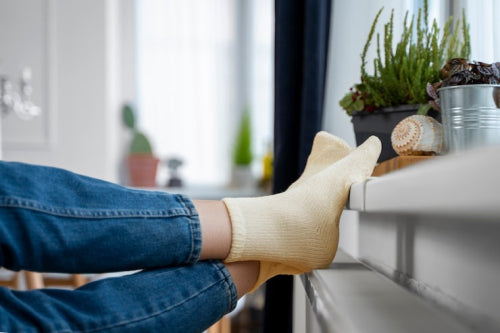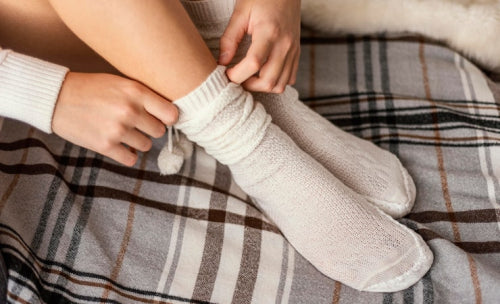

Imagine pulling on a pair of socks that mold effortlessly to the contours of your feet, staying put through a long day without slipping, bunching, or pinching. This seamless experience isn't magic it's the result of meticulously engineered stretch and elastic, elements that elevate socks from mere foot coverings to essential components of daily comfort.
Tired of socks that fade fast, slip down, or feel rough after a few wears? It's frustrating when your everyday essentials can't keep up leaving you adjusting, sweating, or ditching them altogether. Soxytoes solves this with thoughtfully engineered socks made from premium yarns, seamless toes, arch support, and moisture-wicking comfort. From bamboo-soft basics to bold, pop-culture-inspired designs for men, women, and kids, every pair blends lasting quality with personality because your socks should feel as good as they look, all day long. Shop Now!
The Science Behind Stretch in Socks
Socks have evolved far beyond basic cotton tubes. Today, they incorporate advanced materials like elastane, which provides the flexibility needed for natural foot movement. Without proper stretch, socks can cause discomfort, leading to blisters or restricted circulation. Research into compression stockings highlights how factors such as yarn linear density and knit structure influence stretch recovery, with optimal designs achieving recovery percentages up to 100%. In one study, using 120 denier nylon 66 as the main yarn in a plain single jersey structure was found to balance comfort properties effectively, drawing on methods like Taguchi-TOPSIS for multi-response optimization.
This technical approach ensures socks adapt to the foot's dynamic shape. Feet swell by up to 5% during the day due to activity and heat, and elastic fibers allow the fabric to expand and contract accordingly. High-quality elastane, often blended at 2-10% of the fabric composition, can enable stretch increases of several hundred percent while maintaining shape retention.
Market Trends Driving Innovation
The global socks industry is booming, reflecting consumer demand for enhanced comfort and performance. According to market analyses, the sector was valued at USD 53.91 billion in 2025 and is projected to reach USD 98.27 billion by 2034, growing at a CAGR of 6.9%. This expansion is fueled by trends in sustainable materials, such as recycled polyester and bamboo fibers, which offer durability alongside environmental benefits.
Similarly, another report estimates the market at USD 49.48 billion in 2025, anticipating growth to USD 73.83 billion by 2033 with a CAGR of 5.2%. Asia Pacific leads with a 38.46% revenue share, driven by urbanization and rising disposable incomes, while lifestyle socks dominate at 60.16% of the market.
In the athletic segment, innovation is particularly pronounced. The athletic socks market, valued at USD 6.3 billion in 2025, is set to expand to USD 10.9 billion by 2035 at a CAGR of 5.5%. Published in January 2026, this analysis points to rising sports participation and advancements in moisture-wicking fabrics as key drivers, with North America as the largest and fastest-growing region.
Complementing these insights, the overall socks market is valued at US$55.65 billion in 2025 and expected to hit US$89.9 billion by 2032, with a CAGR of 7.1%. Europe commands 40.2% of the share, bolstered by demand for premium, sustainable options in countries like Germany and the U.K.
Types of Stretch Techniques and Their Benefits
Different manufacturing techniques deliver varied stretch experiences. Core-spun yarns, for instance, encase a thin elastane filament in natural fibers like cotton or wool, providing a natural feel with hidden elasticity. This method is ideal for dress socks, where subtlety is key.
Plated elastic zones target specific areas, such as the cuff or arch, for focused support. In athletic designs, these zones create a secure fit without compressing the entire foot, enhancing breathability and reducing pressure. Studies on compression garments show that strategic placement can achieve stretch percentages from 176% to 223%, optimizing air permeability and moisture management.
Full-fabric stretch knits distribute elastane uniformly, offering a compressive hug suitable for long-haul activities. These are common in medical socks, where consistent pressure aids circulation. By combining techniques, manufacturers craft socks that address multiple needs, from blister prevention to odor control.
Common Problems with Inadequate Elastic
When elastic falls short, issues arise swiftly. Overly tight cuffs can impair blood flow, leaving marks and causing fatigue. Conversely, weak elastic leads to sagging, increasing friction and blister risk. In vascular applications, improper design exacerbates conditions like varicose veins, which affect 5% to 45% of adults.
Poor recovery after stretching results in permanent deformation, rendering socks ineffective after a few wears. This is why premium options emphasize durable elastane that withstands repeated laundering. For those on their feet all day nurses, teachers, or commuters these flaws translate to accumulated discomfort, potentially aggravating issues like plantar fasciitis.
Evolution of Elastic Technology
Over the past decade, elastic has advanced significantly. Early versions used crude rubber threads prone to degradation, but modern filaments are finer and more resilient against sweat and chemicals. Multi-component yarns now blend varying stretch levels: firm at the cuff for hold, moderate along the leg for comfort, and gentle at the toes to avoid constriction.
Sustainability is reshaping the field. Recycled elastane and plant-based alternatives maintain performance while reducing impact. As consumers prioritize eco-friendly choices, brands are responding evident in the growing market for organic cotton and bamboo blends, which align with broader industry shifts toward circular materials.
Innovation extends to smart features, like embedded sensors in athletic socks for monitoring gait and pressure. These developments, supported by rising fitness trends, underscore how elastic is pivotal in transforming socks into high-tech accessories.
Selecting Socks with Optimal Stretch
Choosing the right pair starts with checking elastane content 3-8% often signals balanced engineering. Look for descriptors like "anatomical arch support" or "strategic compression zones," indicating thoughtful design over uniform stretch.
Test the feel: quality elastic should secure without binding. Durability is crucial; superior yarns retain snap after dozens of washes. For specific needs, consider activity level higher elastane for sports, moderate for office wear.
Market data reinforces this: men's segments lead at 55.97% share, favoring functional designs, while women's grow fastest at 5.6% CAGR, driven by style and health focus. Kid's options emphasize hypoallergenic, anti-slip features.
The Impact on Daily Life
Well-designed stretch enhances more than comfort; it boosts confidence and productivity. Socks that stay aligned reduce distractions, allowing focus on tasks rather than adjustments. For active individuals, they prevent injuries by minimizing friction during movement.
In therapeutic contexts, optimized elastic provides graduated compression 18-22 mm Hg at the ankle alleviating vascular issues. This blend of science and practicality makes modern socks indispensable.
Looking Ahead in Sock Design
As the industry grows, expect further integration of biotech and AI in elastic development. With projections showing robust expansion across segments, from casual (53.4% share) to athletic, the emphasis on stretch will only intensify.
Ultimately, the best socks are those you forget you're wearing thanks to elastic that quietly supports every step. In a fast-paced world, this understated luxury redefines what we expect from our everyday essentials.
Frequently Asked Questions
How does elastic in socks improve comfort and fit?
Elastic materials like elastane (typically 2-10% of fabric composition) allow socks to stretch several hundred percent while maintaining shape retention, enabling them to adapt as feet naturally swell up to 5% during the day. Strategic elastic zones such as at the cuff, arch, or throughout the fabric provide focused support without restricting circulation, preventing common issues like slipping, bunching, and blisters. Modern core-spun yarns and plated elastic techniques deliver targeted compression while maintaining breathability and moisture management.
What happens when socks don't have enough elastic or stretch?
Socks with inadequate elastic can cause multiple comfort and health issues, from impaired blood flow and visible marks from overly tight cuffs to sagging and increased friction from weak elastic that leads to blisters. Poor stretch recovery results in permanent deformation after just a few wears, making socks ineffective at staying in place. For people who spend long hours on their feet, these problems can accumulate into serious discomfort and potentially aggravate conditions like plantar fasciitis or varicose veins.
What should I look for when buying socks with optimal stretch?
Check for elastane content between 3-8%, which typically indicates balanced engineering for comfort and durability. Look for specific design features like "anatomical arch support" or "strategic compression zones" rather than uniform stretch throughout, as these indicate thoughtful construction. Quality elastic should secure comfortably without binding and retain its snap after dozens of washes premium options often use advanced multi-component yarns that vary stretch levels across different sock zones for optimal performance.
Disclaimer: The above helpful resources content contains personal opinions and experiences. The information provided is for general knowledge and does not constitute professional advice.
You may also be interested in: Unisex Diabetic Care | Stand Out Box Of 4 Pairs | Mid Calf Crew Socks
Tired of socks that fade fast, slip down, or feel rough after a few wears? It's frustrating when your everyday essentials can't keep up leaving you adjusting, sweating, or ditching them altogether. Soxytoes solves this with thoughtfully engineered socks made from premium yarns, seamless toes, arch support, and moisture-wicking comfort. From bamboo-soft basics to bold, pop-culture-inspired designs for men, women, and kids, every pair blends lasting quality with personality because your socks should feel as good as they look, all day long. Shop Now!
Powered by flareAI.co