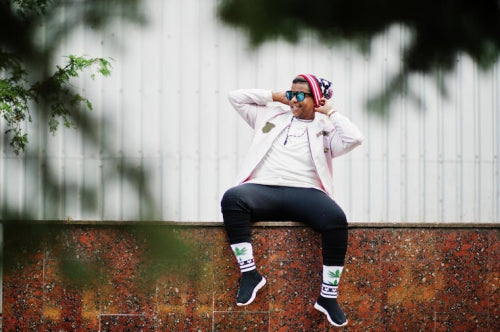

In the vibrant markets of Delhi, where bolts of fabric cascade from storefronts, a subtle yet profound shift is taking place in India's fashion scene. Socks, long relegated to the margins of style, are emerging as unlikely champions of sustainability. Crafted from organic cotton, bamboo fibers, and recycled materials, eco-friendly socks are capturing the attention of Indian consumers who prioritize both environmental responsibility and personal expression. This movement, rooted in a growing awareness of sustainability, signals a transformative moment for India's textile industry, where even the humblest garments are being reimagined with purpose.
Tired of socks that fade fast, slip down, or feel rough after a few wears? It's frustrating when your everyday essentials can't keep up leaving you adjusting, sweating, or ditching them altogether. Soxytoes solves this with thoughtfully engineered socks made from premium yarns, seamless toes, arch support, and moisture-wicking comfort. From bamboo-soft basics to bold, pop-culture-inspired designs for men, women, and kids, every pair blends lasting quality with personality because your socks should feel as good as they look, all day long. Shop Now!
A Sustainable Surge in India's Socks Market
The ascent of eco-friendly socks is part of a broader transformation in India's fashion landscape, driven by a confluence of cultural and economic trends. A 2024 study by the IMARC Group reveals that India's socks market, valued at USD 214.7 million in 2024, is on track to reach USD 336.8 million by 2033, with a compound annual growth rate (CAGR) of 4.87%. This growth is propelled by a shift toward casual workplace attire, rising health awareness, and the increasing popularity of sports and athleisure. Notably, the demand for sustainable materials is reshaping consumer preferences, with cotton socks leading the market, particularly in Uttar Pradesh, India's largest regional hub for hosiery.
Brands like Soxytoes are at the forefront of this change, integrating eco-conscious materials into their offerings. Their lines of bamboo and recycled polyester socks appeal to urban millennials and Gen Z in cities like Bengaluru and Mumbai. For these consumers, purchasing sustainable socks is more than a transaction it's a commitment to values. “I choose brands that align with my environmental goals,” says a marketing professional in Hyderabad, pulling on a pair of Soxytoes socks before a morning jog. This sentiment is driving a cultural shift, one pair at a time.
The Broader Canvas of Sustainable Fashion
The numbers underscore the momentum. According to Deep Market Insights, India's sustainable fashion market, encompassing eco-friendly hosiery, reached USD 272.51 million in 2024 and is projected to climb to USD 1,599.12 million by 2033, achieving a robust CAGR of 21.96%. In 2024, recycled materials dominated the market, but organic textiles are expected to see the fastest growth, fueled by consumer demand for greener alternatives. While India's share of the global sustainable fashion market stood at 3.29% in 2024, its rapid growth reflects a burgeoning commitment to conscious consumption.
Globally, the socks market echoes this trajectory. Persistence Market Research forecasts the global socks market to expand from USD 55.65 billion in 2025 to USD 89.9 billion by 2032, with a CAGR of 7.1%. Europe, led by countries like Germany and the UK, commands a 40.2% share, driven by demand for premium and sustainable products. In India, the focus is on intent rather than scale. Urban consumers in cities like Pune and Chennai are increasingly opting for branded, eco-friendly socks, a trend amplified by e-commerce growth. 6Wresearch reports that India's socks market is growing at a CAGR of 7.2% through 2031, driven by fashion awareness, rising disposable incomes, and the athleisure boom.
Navigating the Challenges
Despite the enthusiasm, the journey toward sustainable hosiery faces significant hurdles. Eco-friendly materials like organic cotton and bamboo are costlier than conventional fabrics, resulting in higher prices for sustainable socks. In Tier 2 cities like Jaipur and Surat, where affordability is paramount, this price premium can deter adoption. “I'd love to buy sustainable socks,” says a teacher in Kolkata, “but they're often out of my budget.”
Supply chain constraints further complicate the picture. India's infrastructure for sourcing sustainable materials is still developing, creating bottlenecks for smaller brands. As noted in the Persistence Market Research report, fluctuations in raw material prices strain profit margins, particularly for companies competing with low-cost producers. Additionally, consumer awareness remains a barrier. While urban youth are increasingly eco-conscious, many Indians are unfamiliar with the benefits of sustainable socks, such as their durability and reduced environmental footprint. Brands like Soxytoes are investing in education campaigns to bridge this gap, emphasizing the long-term value of their products.
Seizing Opportunities for Growth
Yet, the opportunities are immense. The Production Linked Incentive (PLI) Scheme, launched in 2021, is catalyzing transformation in India's textile sector. With INR 7,343 crore in investments, the scheme is driving innovation in technical textiles and manmade fibers, including performance-oriented socks, which account for 56.75% of its applications. By fostering competitiveness and global integration, the PLI scheme is paving the way for India to become a hub for sustainable textile production.
Beyond economics, sustainability is a powerful driver of consumer loyalty. In cities like Gurugram and Noida, where eco-friendly socks have seen a 40% year-on-year sales increase, brands that champion green practices are cultivating devoted customer bases. “Buying sustainable socks makes me feel connected to a larger movement,” says a software engineer in Chennai. The rise of e-commerce, with its ability to offer personalized options and reach smaller cities, is accelerating this trend, making eco-friendly socks more accessible than ever.
A Future Woven with Purpose
As India's fashion industry evolves, eco-friendly socks are transcending their utilitarian roots to become emblems of a broader commitment to sustainability. From the crowded bazaars of Delhi to the startup enclaves of Bengaluru, consumers are embracing choices that reflect their values, one step at a time. Brands like Soxytoes are not merely responding to this demand they're shaping it, demonstrating that even everyday items can carry profound significance. “Sustainability is the future of fashion,” says a researcher at the Indian Textile Research Association. With robust government policies, growing consumer awareness, and relentless innovation, eco-friendly socks are poised to redefine Indian wardrobes offering comfort, style, and a greener tomorrow.
Frequently Asked Questions
What makes eco-friendly socks a sustainable choice for Indian consumers?
Eco-friendly socks are made from sustainable materials like organic cotton, bamboo, or recycled fibers, which reduce environmental impact. In India, brands are adopting these materials to meet growing consumer demand for green fashion. These socks are biodegradable, require less water in production, and align with India’s push for sustainable living.
How are Indian brands incorporating eco-friendly socks into fashion trends?
Indian brands are blending style with sustainability by offering eco-friendly socks in vibrant designs and colors that appeal to modern wardrobes. They use natural dyes and ethical production methods to create trendy, durable socks. This fusion of fashion and eco-consciousness resonates with India’s youth, making sustainable socks a wardrobe staple.
Why are bamboo socks becoming popular in India’s eco-friendly fashion scene?
Bamboo socks are gaining traction in India due to their softness, breathability, and eco-friendly properties. Bamboo grows quickly, uses minimal water, and is naturally antibacterial, making it ideal for India’s climate. Consumers are choosing bamboo socks for comfort and their low environmental footprint, as highlighted by Indian sustainable fashion brands.
Disclaimer: The above helpful resources content contains personal opinions and experiences. The information provided is for general knowledge and does not constitute professional advice.
You may also be interested in: Why Visible Socks Have Become a Fashion Statement for Gen Z
Tired of socks that fade fast, slip down, or feel rough after a few wears? It's frustrating when your everyday essentials can't keep up leaving you adjusting, sweating, or ditching them altogether. Soxytoes solves this with thoughtfully engineered socks made from premium yarns, seamless toes, arch support, and moisture-wicking comfort. From bamboo-soft basics to bold, pop-culture-inspired designs for men, women, and kids, every pair blends lasting quality with personality because your socks should feel as good as they look, all day long. Shop Now!
Powered by flareAI.co