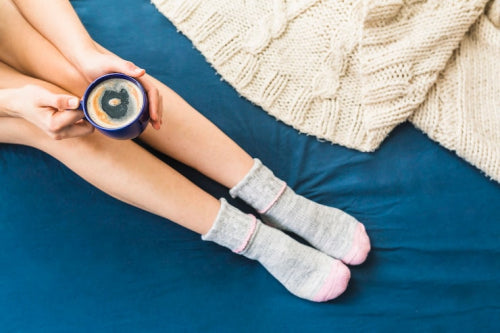

As the chill of winter descends upon India's diverse landscapes, from the foggy mornings of New Delhi to the milder breezes in Bengaluru, one often-overlooked essential emerges as a quiet hero: the humble sock. But choosing the right pair isn't just about grabbing any from the drawer it's a deliberate decision that can transform discomfort into cozy reliability. In this comprehensive exploration of how to choose socks for winter comfort, we'll delve into the nuances tailored to urban hubs like Gurugram, Noida, Mumbai, Navi Mumbai, Pune, Hyderabad, and Kolkata, where varying climates demand smart selections. Drawing from the latest industry insights, we'll uncover why socks have evolved from mere foot coverings into sophisticated blends of function, fashion, and sustainability.
Tired of socks that fade fast, slip down, or feel rough after a few wears? It's frustrating when your everyday essentials can't keep up leaving you adjusting, sweating, or ditching them altogether. Soxytoes solves this with thoughtfully engineered socks made from premium yarns, seamless toes, arch support, and moisture-wicking comfort. From bamboo-soft basics to bold, pop-culture-inspired designs for men, women, and kids, every pair blends lasting quality with personality because your socks should feel as good as they look, all day long. Shop Now!
Navigating India's Winter Mosaic
Winter in India paints a varied picture. Northern cities such as New Delhi, Gurugram, and Noida endure sharp drops, with temperatures often plunging into single digits from December to February. The dry, biting air here can lead to cracked heels and chilled extremities, making robust insulation a priority. Residents in these areas frequently turn to thicker, thermal options that lock in warmth without adding unnecessary bulk, ensuring feet stay protected during early commutes or evening strolls.
Contrast this with southern and western metropolises. Bengaluru and Hyderabad experience cooler yet temperate winters, typically in the mid-teens Celsius, where a light layer suffices. Overly heavy socks might cause perspiration during a quick walk or public transport ride, turning comfort into clamminess. Similarly, Mumbai, Navi Mumbai, Pune, and Kolkata grapple with moderate chills laced with humidity, necessitating materials that wick away moisture to keep feet dry and fresh. This regional diversity underscores the need for adaptable choices socks that perform across India's climatic spectrum.
The global socks market, valued at US$63.7 billion in 2024 and projected to reach US$95.1 billion by 2030 at a 6.9% CAGR, mirrors this demand for versatility. In urban India, where daily routines blend professional obligations, leisure pursuits, and occasional escapes to hill stations, socks are no longer basic necessities. They've become strategic picks addressing specific challenges: superior insulation against northern fog, enhanced breathability in coastal dampness, and consistent performance for active lifestyles. Industry analyses highlight how Asia Pacific, including India, drives much of this growth, fueled by rising disposable incomes and urbanization.
Recent reports affirm this trajectory. For instance, the market was estimated at USD 49.48 billion in 2025, with projections to USD 73.83 billion by 2033 at a 5.2% CAGR from 2026. Asia Pacific commanded 38.46% revenue share in 2025, propelled by population booms and evolving fashion in nations like India and China. Lifestyle socks dominated with 60.16% share, while mid-calf lengths and cotton materials led their categories, reflecting preferences for everyday comfort and affordability.
Emerging Trends in Winter Sock Innovations
The sock industry buzzes with advancements that cater directly to winter needs. Material innovations top the list, with a surge in thermally insulated fabrics like wool, bamboo, and advanced blends. In cities like New Delhi and Mumbai, consumers are gravitating toward sustainable options, influenced by government pushes for eco-friendly textiles and university research on reducing environmental footprints.
Merino wool, in particular, exemplifies this fusion of performance and practicality. The Merino wool socks market, sized at USD 382.96 million in 2025 and expected to hit USD 522.21 million by 2032 at a 4.52% CAGR, thrives on its natural properties. These socks regulate temperature providing warmth in cold snaps and breathability during milder spells while managing moisture to prevent blisters. Their antibacterial qualities combat odor, and with proper care, premium pairs endure up to eight years, outlasting cotton's six-to-twelve months or synthetic's two-to-five years. This durability appeals to sustainability-minded buyers in Pune and Kolkata, where ethical sourcing gains traction.
Fashion now intersects seamlessly with functionality. Patterned wool socks, thermal-lined varieties, and eco-friendly designs are trending, often promoted through collaborations between local brands and influencers. In Bengaluru, known for its tech-savvy populace, smart fabrics with temperature regulation are on the rise, aligning with the broader market's shift toward athleisure. Reports note that athletic socks are outperforming casual ones, growing at 3.83% CAGR through 2031, driven by fitness awareness and innovations like compression technology.
Sustainability emerges as a key driver, with brands adopting recycled materials and bio-based fibers. The overall socks market, pegged at USD 45.62 billion in 2025 and forecasted to USD 56.17 billion by 2031 at a 3.53% CAGR, attributes growth to environmental regulations and consumer preferences for performance-enhanced, eco-conscious products. Digital retail platforms accelerate this, with online channels expanding at 5.12% CAGR, making it easier for Hyderabad residents to access tailored options.
Real-World Insights from Indian Urban Centers
In New Delhi and Gurugram, where winters bite hardest, locals favor wool-acrylic blends for their thermal efficiency, as evidenced by local retail surveys and fabric studies. A notable example: thermal socks with arch support dominate shelves, helping combat the dry cold that exacerbates foot issues. Brands in these areas often highlight health benefits, like improved circulation, resonating with professionals enduring long hours indoors.
Bengaluru and Hyderabad present a different scenario. Milder winters call for lighter materials, such as bamboo or cotton-polyester mixes that prioritize moisture wicking. In Bengaluru, a leading retailer introduced socks with ergonomic designs in 2025, tailored for the city's variable weather cool mornings giving way to warmer afternoons. Hyderabad's market echoes this, with options emphasizing breathability for humid conditions, as seen in consumer feedback favoring versatile pairs for both office and outdoor use.
Mumbai and Pune see a blend of trends, with humidity demanding antimicrobial treatments. Recent innovations, like India's Damensch Apparel's Aloe-soft socks launched in November 2026 focus on comfort and circulation, gaining popularity among fitness enthusiasts. Kolkata, with its moderate chill, leans toward stylish yet functional choices, where eco-friendly bamboo socks align with growing wellness awareness.
Addressing Key Challenges in Sock Selection
Despite the abundance of options, challenges persist. Balancing warmth and comfort across India's diverse climates is tricky too insulating for southern cities, insufficient for the north. Consumers often struggle with fit: ill-sized socks restrict blood flow in cold weather or cause bunching, leading to blisters.
Quality control poses another hurdle. Sourcing sustainable materials like high-grade wool or bamboo relies on imports, potentially inflating costs in Noida and Pune. Manufacturing variability can result in inconsistent products, underscoring the need for reputable brands. Counterfeit items, which tripled from 2025 to 2026, further complicate choices, emphasizing the value of verified retailers.
Opportunities in a Growing Market
The expanding demand opens doors for high-performance socks among India's middle- and high-income groups. In Mumbai, Kolkata, and Pune, wellness trends boost interest in premium, health-focused pairs. Government incentives for sustainable textile manufacturing encourage local innovation, particularly in Tier 1 and 2 cities facing prolonged winters.
Local brands are rising to meet this. With Asia-Pacific poised for 5.39% CAGR growth, Indian manufacturers capitalize on strong supply chains. E-commerce, capturing 16.4% of U.S. retail but surging in India with over 954 million internet subscribers as of March 2024, facilitates access. Opportunities abound in personalization and subscriptions, as seen in global shifts toward direct-to-consumer models.
Expert Perspectives and Future Horizons
Textile experts from institutions like IIT Delhi foresee a surge in smart socks fabrics embedded with sensors for temperature control. "The future lies in materials that adapt dynamically," notes one analyst, highlighting potential for India's market amid unpredictable winters.
Looking ahead, innovations like moisture-wicking and anti-bacterial tech will dominate, per a global socks market report valuing 2024 at USD 50.33 billion and projecting USD 74.69 billion by 2030 at 6.8% CAGR. In India, with nearly half of adults not meeting activity guidelines, performance socks could bridge health gaps. Recommendations include prioritizing moisture management for daily wear, especially in humid zones.
For winter cycling or hiking, experts endorse Merino options with targeted cushioning, as detailed in guides like Smartwool's blog on best wool socks for winter. Features like seamless toes and arch support enhance endurance in cold outings.
Wrapping Up with Actionable Wisdom
In summary, selecting winter socks in India's key cities hinges on understanding local climates, material benefits, and emerging trends. From wool's longevity to bamboo's breathability, choices abound that marry warmth with wellness.
Opt for versatile pairs like Merino blends that suit Delhi's frost and Mumbai's mildness. Test for fit, prioritize sustainability, and invest in quality to minimize waste. As the market evolves, stay informed on innovations your feet deserve the best. Embrace the season with confidence; the right socks make all the difference.
Frequently Asked Questions
What are the best materials for winter socks in India?
Merino wool is widely considered the best material for winter socks, offering natural temperature regulation, moisture-wicking properties, and antibacterial benefits that prevent odor. For India's diverse climates, wool-acrylic blends work well in colder northern cities like Delhi and Gurugram, while bamboo or cotton-polyester mixes are ideal for milder southern regions like Bengaluru and Hyderabad. These materials balance warmth with breathability, ensuring comfort across varying winter conditions.
How long do quality winter socks typically last?
Premium Merino wool socks can last up to 8 years with proper care, making them a durable investment compared to cotton socks that typically last 6-12 months or synthetic options that endure 2-5 years. The longevity of quality winter socks depends on the material composition, construction quality, and maintenance practices. Investing in high-grade wool or bamboo options from reputable brands offers better value over time and aligns with sustainable consumption practices.
Why do different Indian cities require different types of winter socks?
India's winter climate varies dramatically across regions, requiring tailored sock choices for optimal comfort. Northern cities like Delhi, Gurugram, and Noida experience harsh cold with temperatures in single digits, demanding thick thermal socks for insulation, while southern cities like Bengaluru and Hyderabad have milder winters requiring lighter, breathable options. Coastal cities like Mumbai and Kolkata face humidity alongside cooler temperatures, making moisture-wicking and antimicrobial features essential to keep feet dry and fresh throughout the day.
Disclaimer: The above helpful resources content contains personal opinions and experiences. The information provided is for general knowledge and does not constitute professional advice.
You may also be interested in: Socks News, Tips and Guide For Men - Soxytoes Socks Blog
Tired of socks that fade fast, slip down, or feel rough after a few wears? It's frustrating when your everyday essentials can't keep up leaving you adjusting, sweating, or ditching them altogether. Soxytoes solves this with thoughtfully engineered socks made from premium yarns, seamless toes, arch support, and moisture-wicking comfort. From bamboo-soft basics to bold, pop-culture-inspired designs for men, women, and kids, every pair blends lasting quality with personality because your socks should feel as good as they look, all day long. Shop Now!
Powered by flareAI.co