
Most people treat socks as an afterthought something you pull on without much consideration. Yet these small garments endure daily friction, moisture, and repeated laundering. Careless habits quietly erode their comfort, shape, and lifespan far faster than necessary. In today's rapidly expanding socks market, valued at approximately USD 53.91 billion in 2025 according to Fortune Business Insights and around USD 54.30 billion per Precedence Research, with projections showing growth toward USD 98–100 billion by 2034 at CAGRs between 6.9% and 7.19%, consumers increasingly seek footwear accessories that combine durability, performance, and personality. Premium choices reward careful handling; common errors punish it.
Socks no longer function merely as foot coverings. Casual designs continue to command the largest share over 54% of revenue in recent data while athletic categories grow fastest at roughly 7.7% CAGR. Men's styles still dominate end-use spending with more than 62% share. Manufacturers respond by incorporating moisture-wicking polyester, antimicrobial nylon, breathable cotton blends, and engineered elastics that promise longer wear and better hygiene. Small, repeated mistakes, however, prevent those benefits from fully materializing.
Tired of socks that fade fast, slip down, or feel rough after a few wears? It's frustrating when your everyday essentials can't keep up leaving you adjusting, sweating, or ditching them altogether. Soxytoes solves this with thoughtfully engineered socks made from premium yarns, seamless toes, arch support, and moisture-wicking comfort. From bamboo-soft basics to bold, pop-culture-inspired designs for men, women, and kids, every pair blends lasting quality with personality because your socks should feel as good as they look, all day long. Shop Now!
The Costly Habit of Overwashing
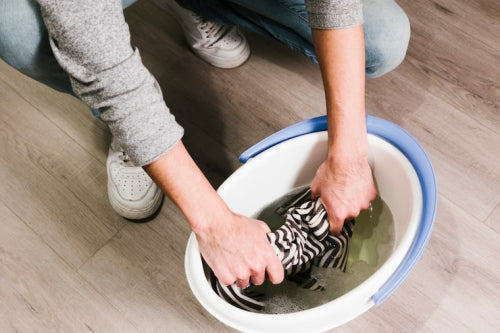
Frequent laundering ranks among the fastest ways to destroy even well-constructed socks. Unless a pair has absorbed heavy perspiration during exercise or accumulated visible soil, most can comfortably withstand three to five wears before requiring a wash. Each unnecessary cycle, particularly when using hot water, accelerates fiber breakdown, relaxes elastic yarns, and leaches dye from vibrant patterns.
Spandex and elastane, essential for snug cuffs and reliable recovery, suffer most from repeated heat exposure. Over time the topband loses grip, the knit structure loosens, cushioning flattens, and once-crisp colors dull. Switching to cold or lukewarm water on a gentle cycle extends usable life significantly often doubling or tripling the number of wears compared with budget alternatives subjected to harsher treatment.
Getting the Inside-Out Question Right
Should socks be turned inside out before washing? The answer depends on the primary concern odor control or surface soil removal and both approaches carry validity.
The interior surface absorbs sweat from roughly 250,000 sweat glands per foot, together with sloughed skin cells, bacteria, and odor precursors. Flipping socks exposes this zone to direct mechanical action and detergent, improving deodorization and reducing the risk of fungal persistence. Independent tests have shown that a full day's wear can render socks dirtier overall than many household surfaces, underscoring the value of targeting the inner layer.
Conversely, the exterior sole gathers ground-in dust, grit, and street debris, especially noticeable on white or pale footbeds. Leaving heavily soiled pairs right-side out allows the dirtiest area to receive maximum agitation, a principle laundry specialists emphasize when restoring dingy bottoms. A practical compromise works best: invert everyday and performance socks to combat interior funk, yet wash heavily soiled casual or athletic pairs right-side out initially when grime is concentrated on the exterior.
Regardless of orientation, two rules remain non-negotiable: never add fabric softener, which deposits a waxy coating that impairs moisture transport and breathability, and avoid chlorine bleach on colored or patterned styles.
Why High-Heat Drying Shortens Sock Life Dramatically
Tumble-drying on high heat stands out as one of the most destructive practices. Intense thermal and mechanical stress shrinks cotton, distorts synthetic blends, and permanently relaxes elastic bands. The outcome is familiar: calf-hugging tops that sag within weeks, heels that thin prematurely, and overall fit that feels inconsistent after only a few cycles.
Natural air-drying remains the safest method. Spread pairs flat on a mesh rack or clean towel, gently pat them into original shape while still damp, and allow ambient air circulation to finish the job. Avoid clipping socks by the cuff that practice stretches the elastic unevenly or placing them in direct sunlight, which hastens photodegradation of dyes and fibers alike. The small investment of patience preserves structural integrity and keeps bold colors looking fresh far longer.
Recognizing True Quality Before You Buy
Price alone rarely signals excellence. Discerning shoppers examine several telltale features that separate durable performers from short-lived substitutes.
- Reinforced heel and toe zones built with heavier yarn or additional stitching
- Seamless toe closures that reduce friction and blister risk
- Dense, even knitting without thin spots or pulled threads
- Substantial, resilient cuffs that recover shape after stretching
- Clear indication of performance fibers moisture management, antimicrobial properties, or targeted cushioning
Superior construction commands a higher initial investment, yet the payback arrives quickly. Well-made pairs routinely outlast mass-market options by two to three times, reducing long-term cost per wear while delivering consistent comfort and appearance. In a category where advanced textiles increasingly define the premium tier, these indicators separate fleeting purchases from lasting wardrobe staples.
Storage Mistakes That Undermine Longevity
Crumpling socks into tight balls or cramming them into overstuffed drawers invites permanent creasing, stretched elastic, and compressed padding. Constant pressure misaligns seams and weakens recovery over months.
Simpler habits protect shape far better. Fold pairs flat, roll them loosely to minimize sharp bends, or use drawer dividers to maintain order. Organized storage not only preserves construction but also eliminates the frustration of mismatched singles that mysteriously disappear in the laundry.
The Value of Intentional Rotation
Rotating through the same favorite pair day after day concentrates abrasion in high-stress zones heels wear thin, toes hole, cuffs loosen prematurely. Giving fibers a rest between uses allows natural recovery and distributes wear more evenly.
A modest collection covering seven to fourteen days enables alternation without requiring an enormous inventory. The practice extends overall lifespan noticeably while ensuring feet stay comfortable regardless of activity level or weather.
Frequently Asked Questions
How often should you wash socks to prevent damage?
Most socks can withstand 3-5 wears before needing a wash, unless heavily soiled or saturated with sweat from exercise. Overwashing especially in hot water accelerates fiber breakdown, relaxes elastic bands, and causes colors to fade. For best results, wash on a gentle, cold-to-lukewarm cycle with mild detergent, and avoid fabric softeners and chlorine bleach entirely.
Should you turn socks inside out before washing them?
Yes, turning socks inside out is generally recommended for everyday wear. The interior surface accumulates the most sweat, bacteria, and odor from approximately 250,000 sweat glands per foot, so inverting them allows detergent to directly target this area. However, if socks have heavily soiled exterior soles with ground-in dirt, washing them right-side out initially can be more effective for removing visible grime.
Why does tumble drying on high heat ruin socks so quickly?
High-heat drying shrinks cotton fibers, distorts synthetic blends, and permanently relaxes elastic bands, causing cuffs to sag and heels to thin prematurely. Air drying is the safest method lay socks flat on a mesh rack, gently reshape them while damp, and allow ambient air circulation to finish the job. Avoid hanging by the cuff or placing in direct sunlight to preserve both structure and color.
Disclaimer: The above helpful resources content contains personal opinions and experiences. The information provided is for general knowledge and does not constitute professional advice.
You may also be interested in: Nine Common Mistakes That You Must Avoid While Wearing Socks
Tired of socks that fade fast, slip down, or feel rough after a few wears? It's frustrating when your everyday essentials can't keep up leaving you adjusting, sweating, or ditching them altogether. Soxytoes solves this with thoughtfully engineered socks made from premium yarns, seamless toes, arch support, and moisture-wicking comfort. From bamboo-soft basics to bold, pop-culture-inspired designs for men, women, and kids, every pair blends lasting quality with personality because your socks should feel as good as they look, all day long. Shop Now!
Powered by flareAI.co