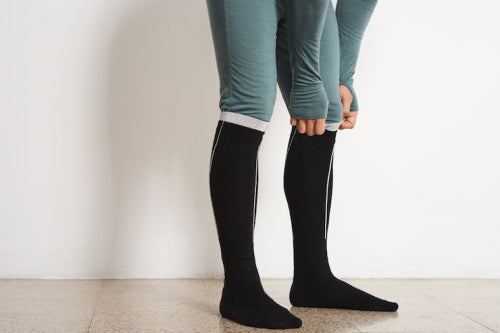

In the soft morning light filtering through a Mumbai balcony or the crisp winter chill of a New Delhi flat, India's urban professionals begin their day much as they did yesterday: laptop open, headset on, feet tucked beneath a desk on unyielding tile or marble. What often goes unnoticed is the subtle role played by what covers those feet. In 2026, as hybrid and remote work remain fixtures in cities from Gurugram to Hyderabad, socks have evolved from simple necessities into thoughtful allies for comfort, focus, and health during long indoor hours.
Tired of socks that fade fast, slip down, or feel rough after a few wears? It's frustrating when your everyday essentials can't keep up leaving you adjusting, sweating, or ditching them altogether. Soxytoes solves this with thoughtfully engineered socks made from premium yarns, seamless toes, arch support, and moisture-wicking comfort. From bamboo-soft basics to bold, pop-culture-inspired designs for men, women, and kids, every pair blends lasting quality with personality because your socks should feel as good as they look, all day long. Shop Now!
Best Socks for Work-From-Home Comfort: What India's Urban Professionals Are Choosing in 2026
Hybrid models have solidified across India's metros. Recent workplace trends indicate that a significant portion of organizations around 53% according to 2025 reports have formally adopted hybrid arrangements, with tech and services sectors in Bengaluru, Pune, and Hyderabad leading the way. In New Delhi, Gurugram, Noida, Mumbai, Navi Mumbai, Pune, Hyderabad, and Kolkata, professionals routinely spend eight to twelve hours seated, often on hard floors without office-grade cushioning. India's diverse climates, from coastal humidity to northern dry cold, combined with prolonged screen time, make foot comfort a genuine factor in daily productivity and well-being.
From Basic Cotton to Functional Comfort: Sock Trends in India's Home Offices
Preferences have shifted markedly in urban India. In humid hubs like Mumbai, Navi Mumbai, and Kolkata, breathable cotton and bamboo blends lead because they manage moisture effectively, keeping feet dry through extended Zoom marathons. In contrast, those in New Delhi, Gurugram, Noida, and Pune favor temperature-regulating options that adapt to seasonal swings, preventing cold feet in winter or overheating in unexpected warmth.
The market reflects this evolution. According to Mordor Intelligence, the global socks market is expected to grow from USD 45.62 billion in 2025 to USD 47.23 billion in 2026, reaching USD 56.17 billion by 2031 at a 3.53% CAGR, with Asia-Pacific holding a 32.15% share in 2025 and expanding at a faster 5.39% CAGR through 2031 driven by rising demand for functional and performance-enhanced products. In India specifically, IMARC Group reports the socks market reached USD 225.14 million in 2025 and is projected to reach USD 339.67 million by 2034 at a 4.68% CAGR, fueled by urbanization, disposable incomes, and preference for premium, athletic, and functional styles. Urban buyers increasingly choose anti-skid soles for common tiled or marble floors, seamless constructions to avoid irritation, and light compression to counter the fatigue of prolonged sitting.
What Research Reveals About Foot Comfort, Circulation, and Sedentary Indoor Work
Health authorities in India and globally have highlighted the downsides of extended sitting. Prolonged sedentary behavior restricts circulation, promotes leg swelling, raises venous pressure, and heightens risks of discomfort, varicose veins, or more serious vascular issues over time. Excessive screen time common in WFH setups exacerbates stress, posture strain, and lower-limb fatigue, as noted in various occupational health discussions and recent studies linking inactivity to cardiovascular and metabolic concerns.
Thoughtful sock design can mitigate some effects. Light compression helps sustain blood flow during long sessions in Bengaluru, Hyderabad, and Pune tech environments. Moisture-wicking materials reduce fungal risks in muggy Mumbai and Kolkata apartments. When feet remain comfortable neither sweaty nor chilled posture improves, minor aches decrease, and concentration holds steadier through the day.
How Professionals Across Indian Metros Select Socks for Daily Home Office Use
Real-world patterns show clear regional flavors. In Bengaluru and Hyderabad, software developers and startup teams gravitate toward stretchy, highly breathable pairs that stay smooth during intense coding blocks, avoiding any bunching or slippage. In Gurugram, Noida, and Mumbai's corporate and finance circles, many opt for subtly refined yet padded socks presentable for occasional office returns but forgiving for virtual-heavy days.
These selections influence output directly. Reduced foot distractions fidgeting, shifting, subconscious stretching help sustain focus over hours. Wellness conversations in Indian workplaces increasingly recognize that small ergonomic adjustments, including appropriate footwear, preserve energy and curb afternoon fatigue in persistent hybrid routines.
Persistent Challenges in the Indian Work-From-Home Sock Market
Despite progress, gaps remain. Budget-friendly local options often lose shape quickly, develop thin spots at heels, or fade in elasticity after limited wear. Climate-tailored variety is inconsistent designs rarely bridge Delhi NCR's winter bite and Mumbai's year-round dampness seamlessly. Many consumers still prioritize low cost over durability or function, leading to recurring replacements and avoidable discomfort.
Awareness trails investment in screens or seating. Foot comfort often ranks low until pain or irritation demands attention, allowing subtle strain to erode efficiency quietly.
Opportunities: How Better Socks Enhance WFH Efficiency in India
The advantages are tangible. Superior breathability and thermal balance foster consistent focus and lower fatigue, particularly on unforgiving home floors. Eased foot pressure cuts micro-disruptions, yielding cumulative productivity benefits across a workday.
Indian manufacturers can capitalize by developing region-specific lines humidity-optimized fabrics for coastal areas, insulated yet airy options for northern cities and leveraging growing direct-to-consumer platforms in Bengaluru, Pune, and Mumbai. Sustainability trends, like bamboo or recycled blends, align with urban preferences and further premiumization.
Expert Guidance for India's Hybrid Workforce in 2026
Occupational health experts and textile specialists offer straightforward advice: select based on your city's climate and floor type; favor natural or advanced blended fabrics for breathability; ensure proper, non-constricting fit; and consider light grip for smooth surfaces. These choices compound less irritation, improved flow, sustained attention.
With hybrid work entrenched across New Delhi, Gurugram, Noida, Bengaluru, Mumbai, Navi Mumbai, Pune, Hyderabad, and Kolkata, small refinements matter profoundly. Comfort begins at the ground up. The ideal socks won't redefine your routine alone, but they quietly eliminate a frequent friction point, freeing you to engage fully with the work and life at hand.
Frequently Asked Questions
What are the best socks for work-from-home professionals in India?
The best WFH socks depend on your city's climate and home flooring. In humid cities like Mumbai, Kolkata, and Navi Mumbai, breathable cotton and bamboo blends work best for moisture management. For northern cities like New Delhi, Gurugram, and Noida, temperature-regulating socks that adapt to seasonal changes are ideal, while anti-skid soles are recommended for common tiled or marble floors found in Indian homes.
How do socks improve productivity and comfort during long work-from-home hours?
Properly designed socks can significantly reduce foot-related distractions during 8-12 hour workdays. Light compression helps maintain healthy blood circulation during prolonged sitting, while moisture-wicking materials prevent fungal infections in humid conditions. When feet remain comfortable neither sweaty nor cold posture improves, minor aches decrease, and concentration holds steadier, leading to cumulative productivity benefits throughout the day.
What features should I look for when buying socks for remote work in 2026?
Focus on climate-appropriate fabrics (breathable cotton or bamboo for humidity, thermal-regulating blends for variable temperatures), seamless construction to avoid irritation during long wear, and anti-skid soles for safety on smooth indoor surfaces. Light compression can help counter circulation issues from prolonged sitting, while proper fit ensures comfort without constriction. Consider durability over low cost to avoid frequent replacements and maintain consistent comfort in your home office setup.
Disclaimer: The above helpful resources content contains personal opinions and experiences. The information provided is for general knowledge and does not constitute professional advice.
You may also be interested in: Loungewear- The New Go-to Outfit For Work From Home? - soxytoes
Tired of socks that fade fast, slip down, or feel rough after a few wears? It's frustrating when your everyday essentials can't keep up leaving you adjusting, sweating, or ditching them altogether. Soxytoes solves this with thoughtfully engineered socks made from premium yarns, seamless toes, arch support, and moisture-wicking comfort. From bamboo-soft basics to bold, pop-culture-inspired designs for men, women, and kids, every pair blends lasting quality with personality because your socks should feel as good as they look, all day long. Shop Now!
Powered by flareAI.co