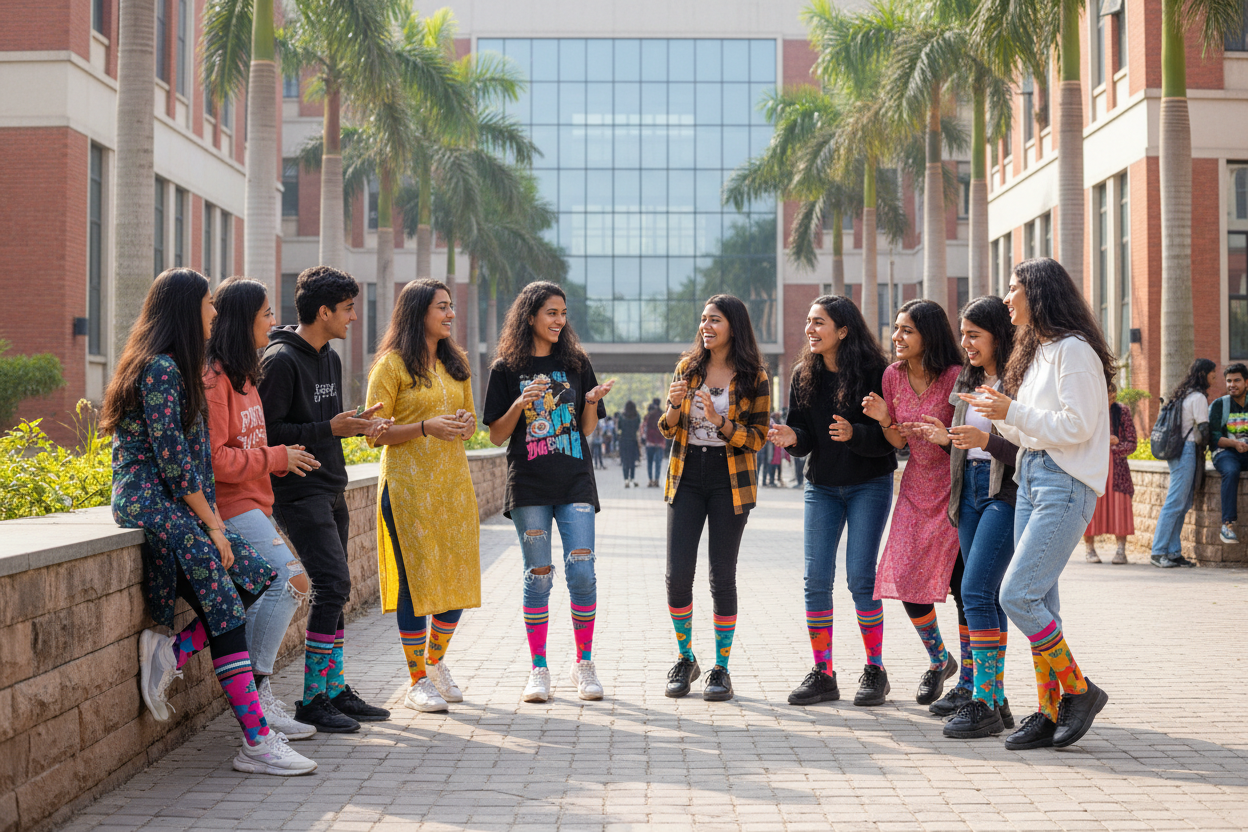

Socks are the most underrated wardrobe item. The wrong pair causes blisters and odor by noon. The right pair? You forget you're wearing them. As Indian consumers grow more quality-conscious, the premium socks market is expanding fast and the options have never been stronger.
This guide covers what separates great socks from average ones, which brands lead in 2026, and who should buy what.
Why the Indian Socks Market Is Changing
A decade ago, most Indians bought socks as an afterthought grabbing whatever was cheapest at the nearest shop. That mindset is shifting rapidly. Rising disposable incomes, increased awareness of foot health, and the explosion of athleisure and workwear fashion have pushed socks into the spotlight.
E-commerce has also played a significant role. With the ability to compare fabrics, read reviews, and explore niche brands online, buyers are no longer limited to what's stocked locally. Specialised sock brands now ship nationwide, bringing premium options to tier-2 and tier-3 cities that previously had limited choices.
This shift means consumers today are asking better questions before buying not just "which size?" but "which fabric suits my lifestyle?" and "will this hold up after 30 washes?"
What Makes a Great Socks Brand?
The best brands consistently deliver across five areas:
-
Fabric - Soft, skin-friendly materials that don't trap heat
-
Fit - Snug cuff, no bunching, no slipping
-
Durability - Retains shape and elasticity after repeated washing
-
Design - Works across formal, casual, and athletic settings
-
Value - Long-lasting quality at a fair price point

Understanding Sock Fabrics: A Quick Guide
Fabric choice is the single biggest factor affecting comfort, and it varies significantly across brands. Here's what the common materials actually mean for your feet:
Cotton is the most widely used material. It's soft, affordable, and breathable under normal conditions. Combed cotton, used by better brands, is a step up: it's smoother, stronger, and more comfortable against skin. However, cotton absorbs limited moisture, especially during humid conditions. For better absorption good brands are using bamboo and other wicking yarns.
Bamboo is gaining popularity in India for good reason. It's naturally antibacterial, which keeps feet fresh and reduces odor buildup. Also it quickly wicks moisture away from the skin, and can hold 3x the amount of moisture compared to cotton. Which means dry skin even during humid conditions and even when worn for extended periods. Bamboo socks also tend to be softer to the touch, and they regulate temperature more effectively - a real advantage during India's warmer months.
Polyester and nylon blends appear mostly in sports socks. These synthetic fibres add stretch, durability, and the more modern variants have quick-dry wicking properties, making them ideal for rough sports use, where pure natural fibres would break down faster - for example football.
Wool (merino in particular) is rare in Indian socks, but is excellent for cooler climates or air-conditioned office environments. It's also typically pricier.
Knowing what's in your socks helps you choose more deliberately rather than guessing based on price alone.

Top Socks Brands in India 2026
Soxytoes
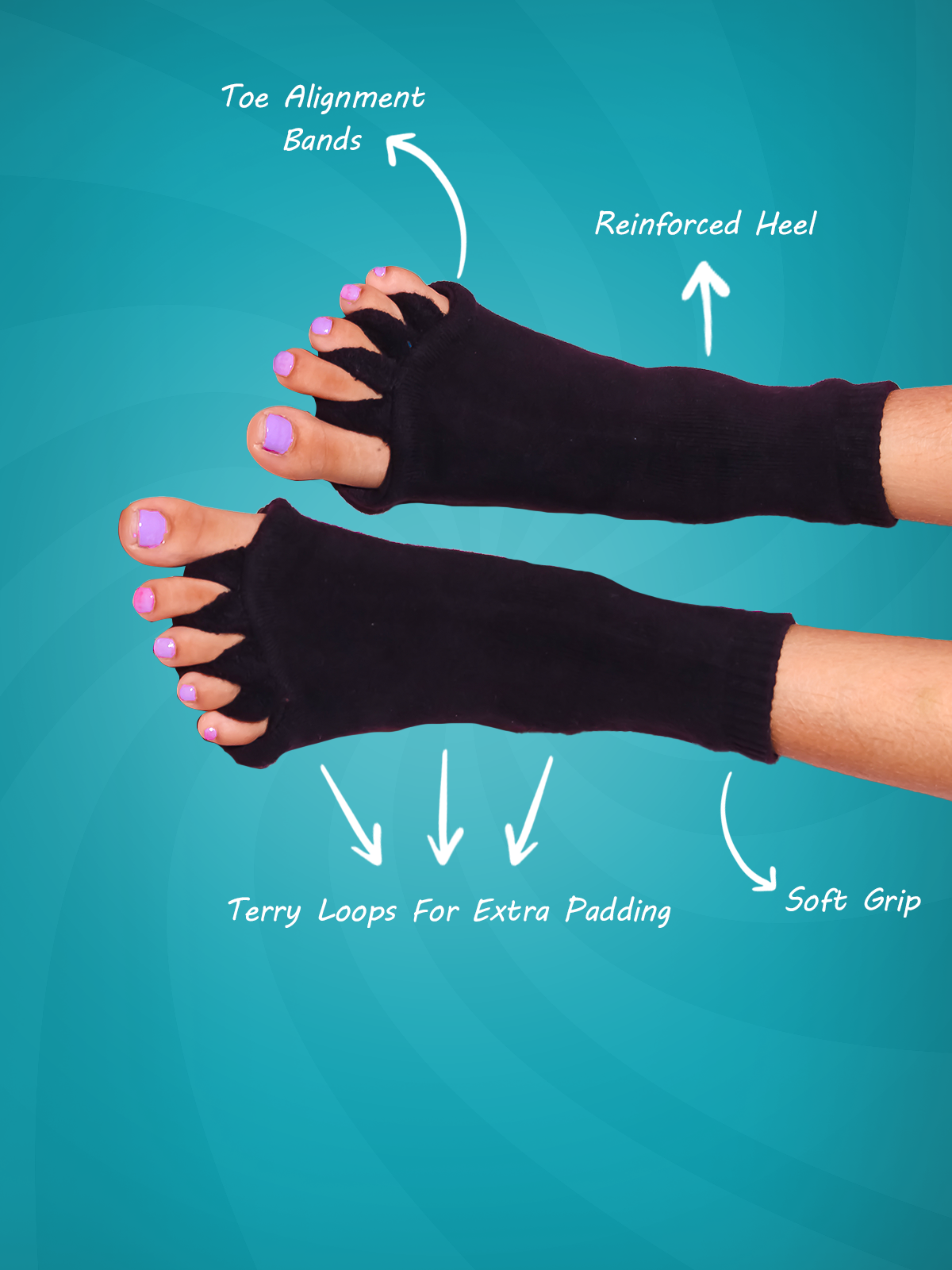
The strongest all-round pick for 2026. Soxytoes uses breathable, moisture-resistant fabrics (including cotton, bamboo and quick-drying polyamide) built for India's climate, with a range that spans office formals, gym sessions, and weekend casuals. They also offer a number of wellness models including foot alignment socks for pain relief, compression therapy and diabetic care socks. Consistent construction means socks hold their shape long after cheaper alternatives have stretched out.
Best for: Everyday professionals, students, and anyone wanting one reliable brand for all occasions.
Puma
Performance-driven athletic socks with solid arch cushioning. Puma's designs prioritize function over fashion - ideal for sports and high-intensity workouts.
Best for: Regular gym-goers and runners.
Adidas
Premium sports socks with strong moisture management and arch support. Comparable to Puma but with slightly more design variety across their athletic range.
Best for: Athletes who want branded performance gear head to toe.
Jockey
No-frills, dependable everyday socks. Widely available, consistently comfortable, and built for repetitive daily use without fuss.
Best for: Those who want reliable basics at accessible prices.
Socks Xpress
Bold patterns and vibrant color combinations aimed squarely at fashion-forward buyers. Socks Xpress (formerly known as Balenzia) treats socks as a visible style accessory, not just a practical layer.
Best for: Statement dressers and gift buyers.
Heelium
A comfort-first niche brand with contemporary styling and specialising in bamboo fabric. Slightly higher price point, but noticeable quality difference for daily wear.
Best for: Buyers willing to invest more for long-term comfort.
How to Choose the Right Pair?
Picking the right socks isn't just about size, it's about matching the sock to your activity, footwear, and climate. A poor match leads to discomfort, faster wear, and unnecessary replacements.
Match your socks to the situation:
|
Use Case |
What to Look For |
|
Office / Formal |
Thin, over-the-ankle, cotton blend for basics and bamboo blend for more premium socks. Dark colours are traditional, though quirky patterns and bright colours are trending in office socks these days. |
|
Gym / Sports |
Cushioned sole, moisture-wicking mesh construction and arch support |
|
Casual / Daily |
Ankle or low-cut, breathable cotton or bamboo blends |
|
Fashion |
Bold patterns, eye-popping designs and bright contrasting colours |
For material, cotton and bamboo blends work best in Indian weather as they breathe well and manage sweat without feeling heavy.
Cut and length matter just as much as fabric. Ankle-length socks work well with sneakers and casual shoes, while crew-length socks pair better with formal trousers, preventing skin exposure when seated. No-show or loafer socks are ideal when the sock itself should stay invisible.
Sock thickness is another factor many overlook. Thicker socks fill extra space in looser-fitting shoes and add cushioning for long walking days. Thinner socks suit fitted formal footwear where bulk would cause tightness.
When shopping, always check the size range on the label. An ill-fitting sock, regardless of fabric quality, will bunch, slip, and wear out faster than one that fits correctly.
Socks and Foot Health: What Most People Ignore
Beyond comfort and style, socks play a genuine role in foot health, something most buyers don't think about until a problem develops.
Fungal infections like athlete's foot thrive in warm, moist environments. Wearing non-breathable socks for extended periods creates exactly that condition. Moisture-wicking fabrics - bamboo or performance blends - reduce this risk significantly.
Blisters are almost always caused by friction, and friction increases when socks don't fit properly. Socks that are too loose bunch inside the shoe; socks that are too tight restrict circulation. A properly fitted sock with a well-shaped heel and seamless toe reduces friction at the highest-contact points.
Compression and arch support matter more as you age or spend longer hours on your feet. Some premium socks include mild compression zones around the arch and ankle, and others offer a full compression knit, improving blood circulation during long workdays or travel. If you sit for more than five hours daily, this feature is worth seeking out.
Seam placement is a minor but real issue, especially for people with sensitive skin or diabetes. Flat-toe seams (or seamless toe) prevent the irritation that standard stitched seams can cause over time.
These aren't niche concerns, they're everyday factors that affect how your feet feel by the end of the day.
Making Your Socks Last
A few habits significantly extend sock life:
-
Wash cold, turn inside out beforehand
-
Skip fabric softener - it breaks down elastic fibres
-
Air dry instead of machine drying
-
Store rolled, not folded
One additional tip worth noting: washing socks inside a mesh laundry bag prevents them from snagging on other garments, which is one of the most common causes of premature pilling and snags in fine-knit socks.
When to Replace Your Socks
Even well-maintained socks have a lifespan. Signs that it's time to replace a pair:
-
The heel or toe area feels noticeably thinner than the rest of the sock
-
The elastic cuff no longer holds snugly at the ankle
-
Pilling has developed across the sole
-
Socks take longer to dry than when new (a sign the fibre structure has broken down)
Holding onto worn-out socks past these signs defeats the purpose of buying quality in the first place.
Final Verdict
For sports use Puma or Adidas deliver reliable performance with cushioning and moisture control built for active lifestyles. For fashion statements Socks Xpress turns socks into a style accessory with bold, eye-catching designs. For no-fuss basics Jockey remains a dependable everyday staple, widely available and consistently comfortable across all age groups. For premium everyday comfort Heelium brings superior construction and soft premium fabrics worth the slightly higher price tag. But for the best all-round value across all occasions, Soxytoes remains the smartest choice, offering breathable fabrics, modern designs, and lasting durability without stretching your budget.
Explore the full collection at soxytoes.com
FAQs
Which socks brand offers the best value in India for 2026?
Soxytoes offers the strongest balance of quality, design range, and price for everyday use.
Cotton or bamboo - which is better for Indian weather?
Both work well. Bamboo edges ahead on moisture absorption and odor resistance; cotton is more widely available and slightly more affordable.
How often should socks be replaced?
With proper care, quality socks last 6+ months of regular use with rotation. Thinning fabric or lost elasticity are clear replacement signals.
Are expensive socks actually worth it?
Yes cost-per-wear is lower because they last significantly longer and maintain comfort throughout their lifespan.
Can the same socks work for both gym and office?
Not ideally. Athletic socks are thicker and cushioned for impact; dress socks are thin and smooth for formal footwear. Keep separate pairs for each.
What type of socks are best for people with sensitive skin?
Look for seamless or flat-toe construction in natural fibres like bamboo or combed cotton. These minimize friction and reduce the risk of irritation during extended wear.
Do socks affect shoe odor?
Significantly. Moisture-wicking socks prevent the sweat buildup that causes odor to transfer into shoe lining. Bamboo socks are particularly effective at keeping both feet and shoes fresher for longer.